Begin with a Route So the Page Tells a Story
A Silk Road artifacts poster can easily turn into a list of objects. Avoid that by drawing a soft curved route from east to west before placing any text. Mark three stops: Chang'an, the Hexi Corridor and a Western Regions market. Put the title near the starting point and let artifact cards follow the route.
Keep the line simple. A pencil curve is enough, and leave empty space on both sides for writing.
Choose a Few Artifacts with a Clear Connection
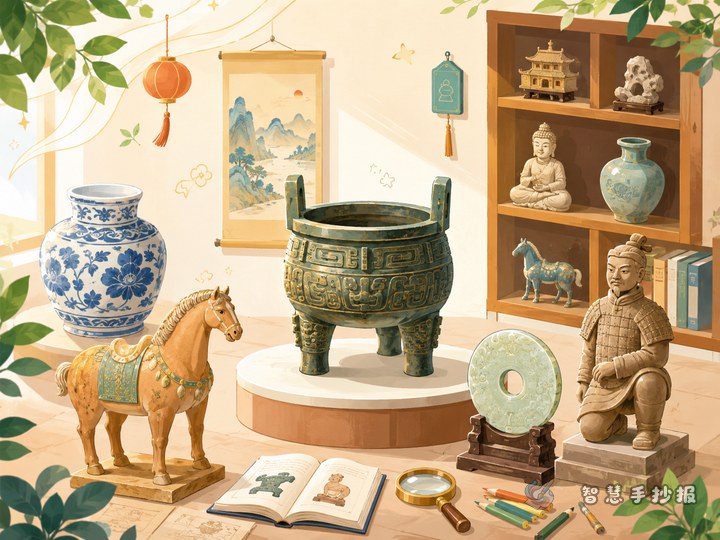
Three or four objects are enough. For each one, answer three questions: what is it, where is it from, and what exchange does it show?
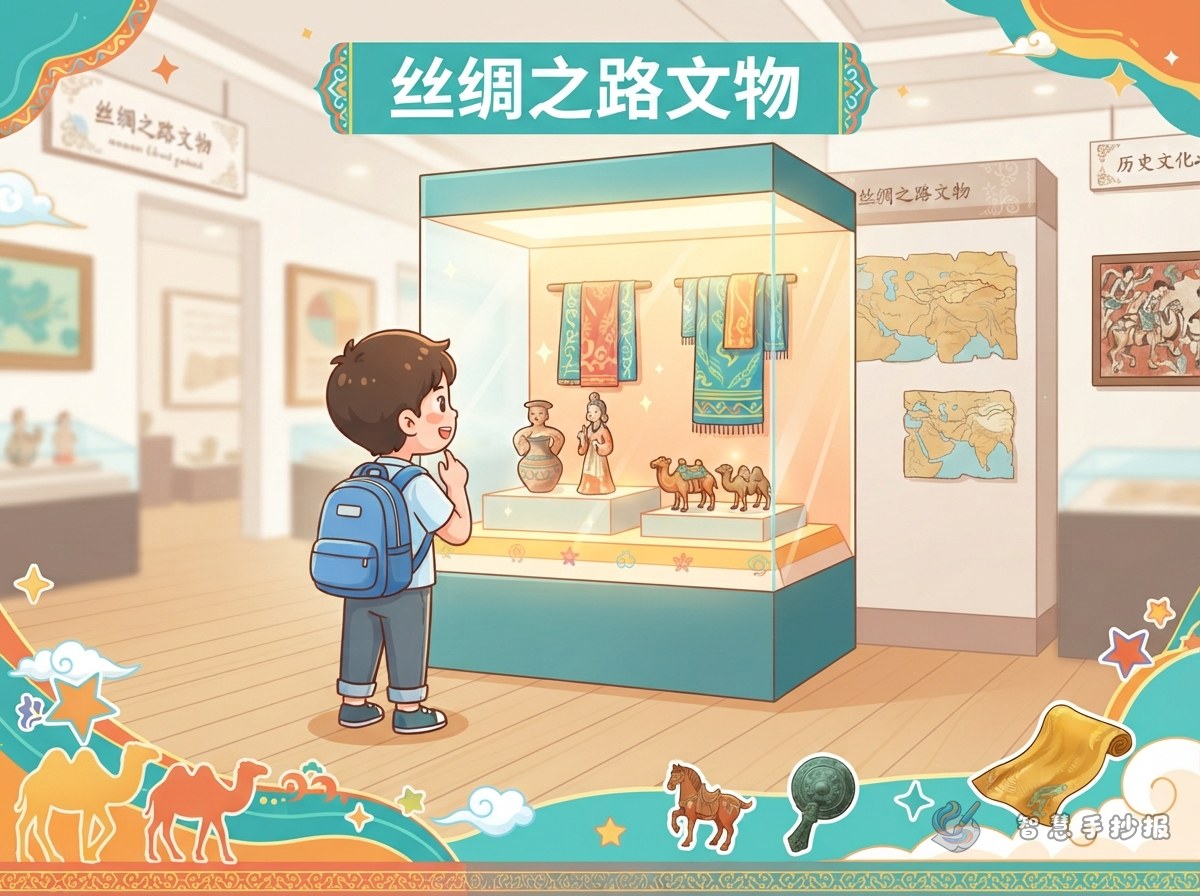
- Camel figurines or a trader leading a camel: a vivid symbol of desert travel and trade.
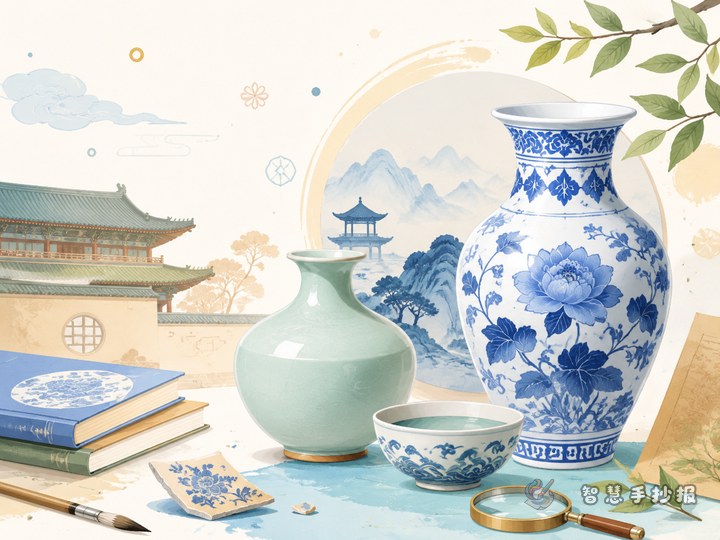
- West Asian-style ewers and silver plates: show how craft styles and tastes moved between regions.
- Silk fragments or brocade: connect trade with farming, weaving and luxury goods.
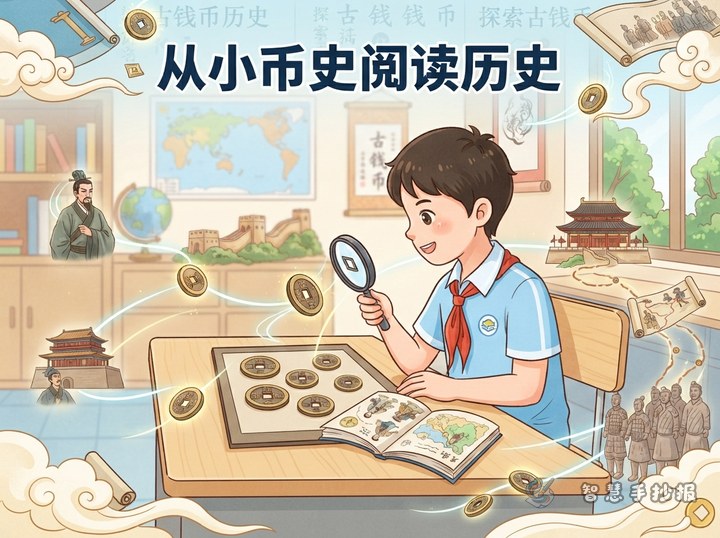
- Ancient coins: fit a small market-stop section about exchange and trust in trade.
- Mural scenes of caravans: make good small drawings of camels, travelers and inns.
If space is tight, combine a camel figurine, a piece of silk and one coin to create a simple travel-goods-trade group.
Use Four Sections to Connect Objects and History
- Artifact close-up: draw one main object and add its name, date, find spot and one key feature.
- Ideas on the move: show two or three examples of goods, skills, music or food traveling along the routes.
- Map stop: sketch the route and mark important places with arrows from east to west.
- Care and discovery: write briefly about how museums preserve objects and how visitors can show respect.
Keep each section to three to five sentences. Place the main artifact near the center and let the other sections support it.
Color and Simple Drawings with a Desert-Road Feel
Use sandy yellow for the background, red-brown for headings, and small touches of blue-green for the route and subheads. Four colors are usually enough.
- Turn borders into camel silhouettes, sand dune curves or simple textile patterns.
- Keep drawings bold: the tall neck of an ewer or the humps of a camel are enough to suggest the object.
- Place light color blocks behind text and leave margins around paragraphs.
- Make the title large enough to read, but do not cover the route or artifact cards.
Short Lines and a Final Check
Small phrases can fill empty corners, such as One object, one story from the road, Bells on the caravan, goods moving east and west, and Silk is light, history is long. Use them as captions, not long copied paragraphs.
Before going over the page in pen, check:
- Is there a clear viewing path from one section to the next?
- Does each artifact include a name and a simple explanation of what it shows?
- Are any sections repeating the same idea?
- Do the title, text and drawings have enough breathing room?
If you want help with the layout, open the Smart Handwritten Newspaper WeChat mini program, choose a history-and-culture template, and fill it with your own notes and drawings.