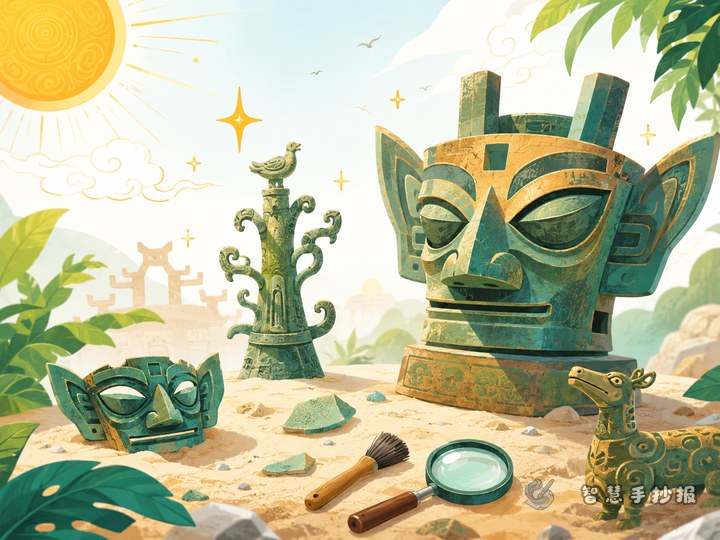
Let an Artifact Become the Storyteller
Museum posters often copy long descriptions that read like instruction manuals. Switching to a first-person voice can bring the page to life. A clay jar might say, “I was made in a kiln thousands of years ago, and these wave patterns were drawn by a potter's finger.” The sentence keeps the historical detail while adding a clear picture, which makes an excellent main column.
Choose One Star Object and Two Helpers
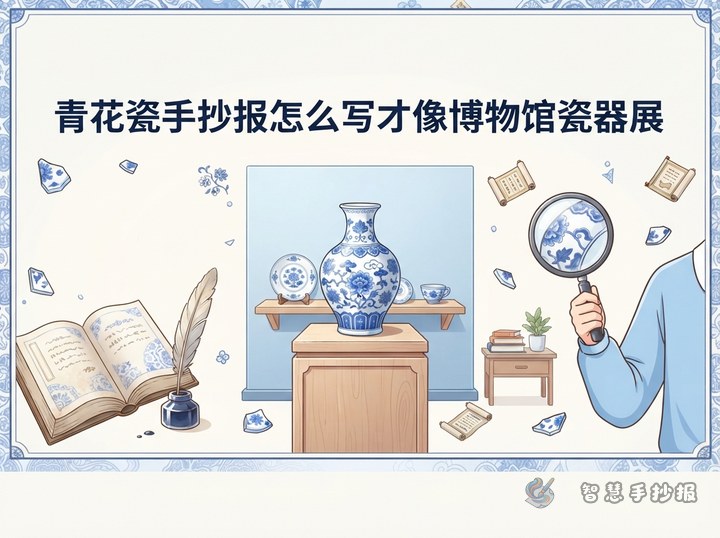
Space is limited, so avoid covering too many artifacts. Pick one object you find interesting, such as a pottery vessel, jade ornament, bronze mirror, roof tile, or ancient coin, then add two related objects as supporting characters.
- Star column: name, period, material, find spot, and a short first-person monologue.
- Helper columns: one or two lines in the objects' voices, such as “I am a bronze mirror with patterns on my back.”
- Interaction column: a question the artifact would like to ask children today.
What to Put in an Artifact Monologue
A good monologue is not random fantasy. Build it around four areas so it stays informative and readable.
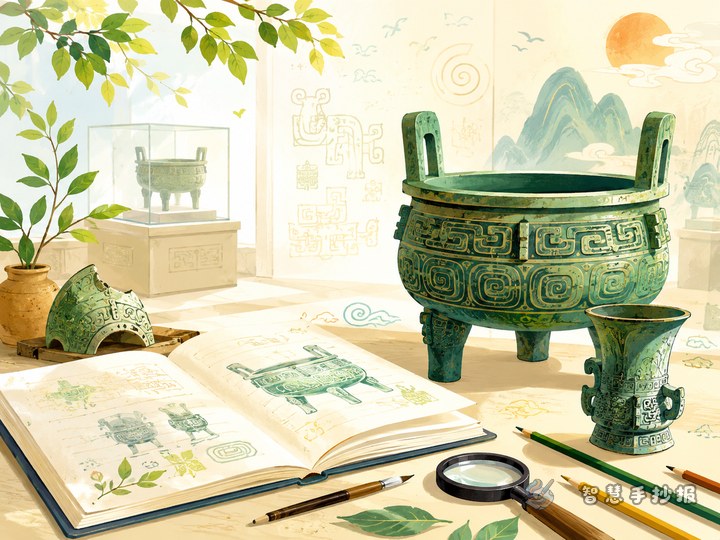
- How I look: color, shape, decoration, and any signs of repair.
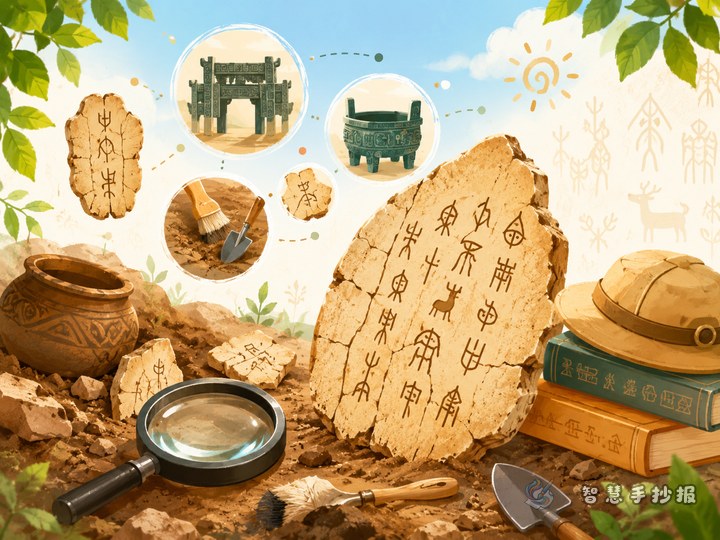
- What happened to me: being made, used, buried, and discovered.
- Details on my body: what a crack, symbol, or pattern might mean.
- What I want to say: how people today can protect and understand the object.
Use short sentences and keep each paragraph to three or four lines so it fits neatly into boxes.
Turn the Page into a Small Gallery
Imagine the whole sheet as an exhibition hall. Place the main artifact drawing and monologue in the center, then create four small display cases around it: an artifact file at the upper left, a find-spot panel at the upper right, a detail magnifier at the lower left, and a question panel at the lower right. Write the main title “Listen, the Artifact Is Speaking” in large letters and add the object's name and period underneath. Leave some white space between sections.
Headline ideas
- “I Have Waited for Thousands of Years”
- “The Patterns on Me Can Speak”
- “Archaeologists Lifted Me Out of the Soil”
- “Today I Want to Ask You Something”
Three Practical Reminders
First, check uncertain dates and names before writing. Second, use a different color or border for the monologue so readers can tell imagination from factual notes. Third, read each sentence aloud and split any that feel too long. For layout help and extra material, continue in the 智慧手抄报 WeChat mini program and turn your draft into a finished poster.