Build the Page Around One Clear Idea
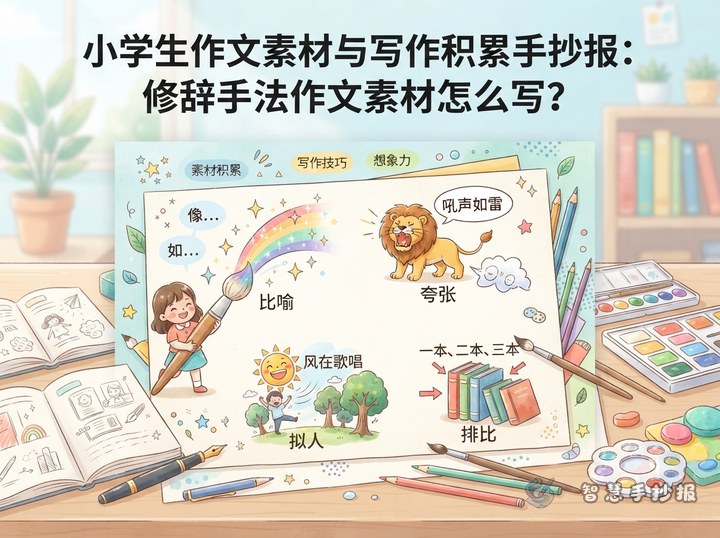
Use the theme “Begin with interest and end with meaning”. Instead of listing many difficult terms, focus on techniques children can use in personal narratives, character writing, and descriptive compositions. Pair every technique with a brief example and a note about when it works best.
Possible main headings include “Better Beginnings and Endings,” “Give Your Composition a Strong Frame,” or “Start Bright, Finish Strong.” A short subtitle such as “Writing Tips and Practice Sentences” makes the purpose immediately clear.
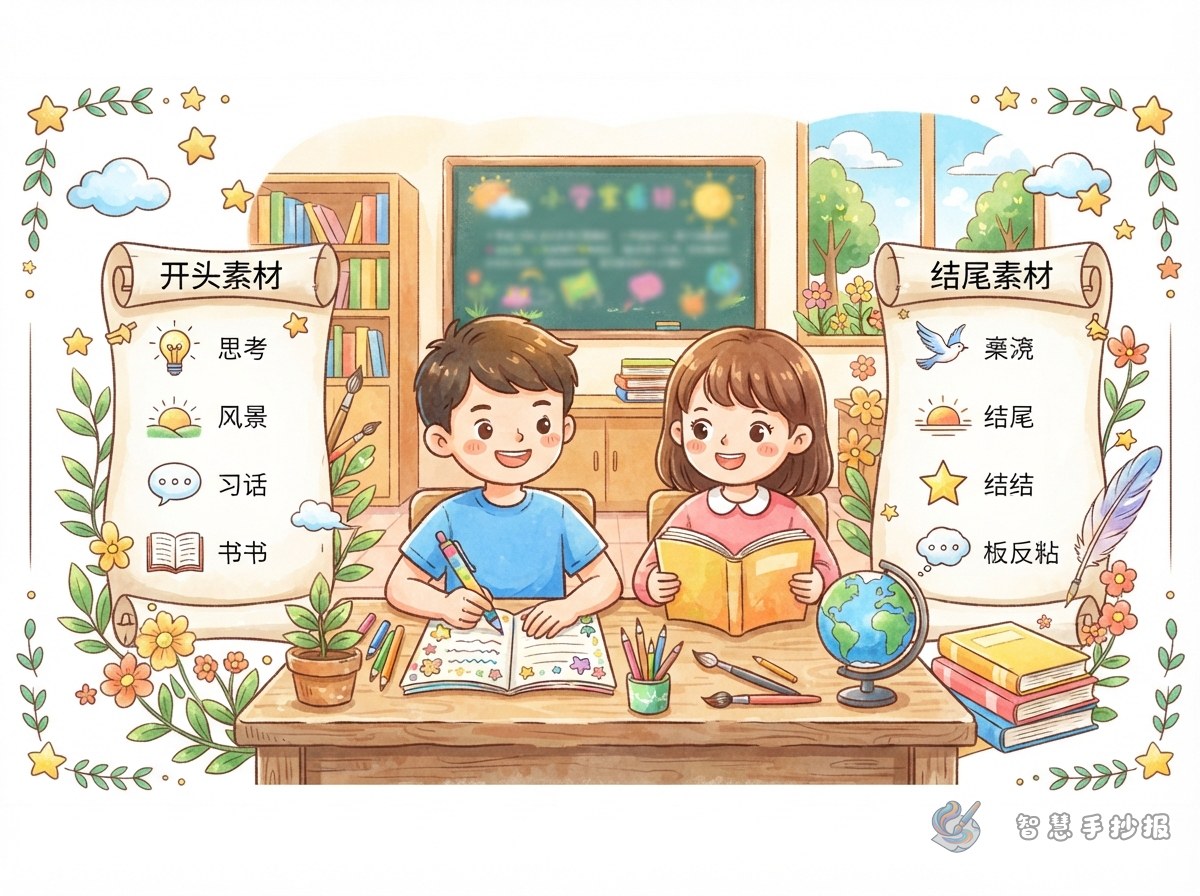
Fill the Opening Station with Practical Choices
Start Directly
Introduce the person, event, or topic at once. For example: “On Saturday, Dad and I began an unusual project with a box of old belongings.” This method is clear and suitable for many personal narratives.
Set the Scene
Begin with weather, sound, or a visual detail before introducing the event. For example: “Soft rain tapped on the windows, but our classroom was unusually lively.” The setting should support the story rather than act as decoration.
Create a Small Mystery
Leave a question that encourages the reader to continue. For example: “When I opened my schoolbag, the card had disappeared.” The mystery should be explained later in the composition.
Open with Speech or Sound
A spoken line can move readers straight into the scene: “Come quickly—the first green shoot is here!” This approach works well for school memories and family stories.
Collect Endings That Feel Complete
- Return to the main idea: State what the event taught the writer in one natural sentence.
- Echo the opening: Mention an object, place, or line of dialogue from the beginning.
- Leave a final image: End with a specific scene that readers can picture.
- Share a next step: Express a realistic plan instead of using a broad slogan.
Add a small “before and after” box to compare a vague ending with a more specific revision. This helps students see why concrete feelings and images are stronger than repeated summaries.
Turn Collected Material into a Mini Challenge
Reserve three connected cards for “Opening,” “Key Events,” and “Ending.” One example could begin with a seed given by a grandmother, continue with watering and waiting, and finish with a green shoot that reminds the writer to be patient.
- Choose one central object, such as an umbrella, photograph, seed, or certificate.
- Introduce it naturally at the beginning without explaining everything.
- Bring it back at the end and show how the writer has changed.
Design a Path from the First Line to the Last
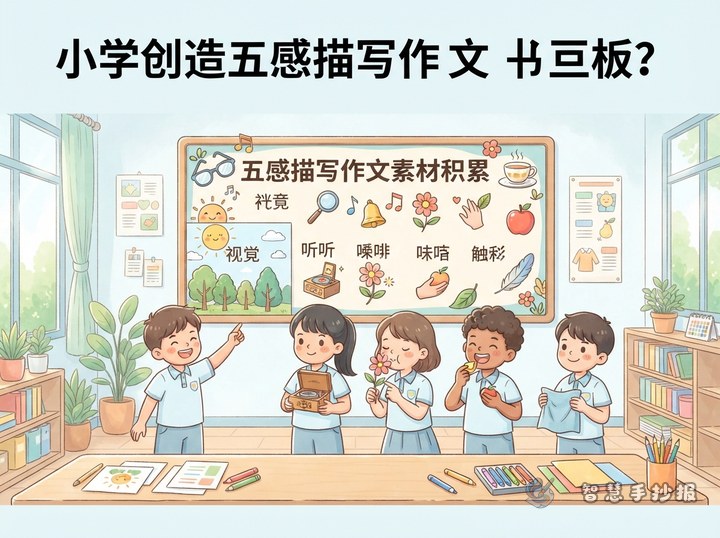
Draw a winding “composition path” through the center of the page, beginning at an Opening Station and ending at a Closing Station. Add three small signs labeled “Scene,” “Event,” and “Feeling.” Put opening methods on the left, ending methods on the right, and practice cards along the bottom.
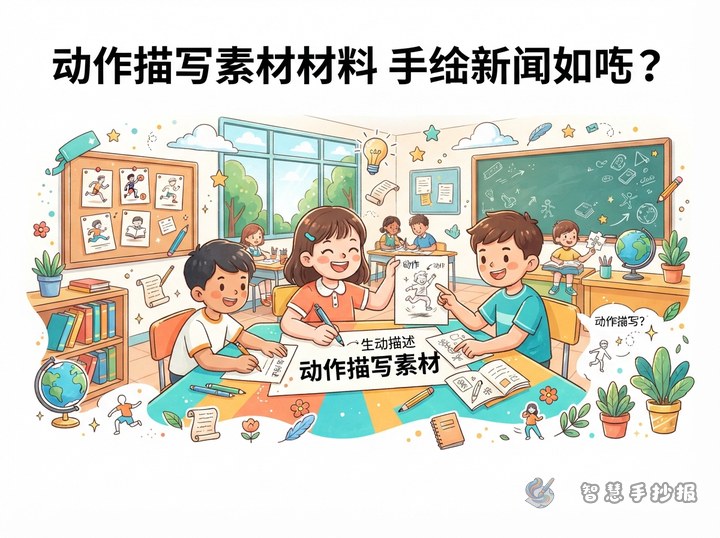
Choose two main colors and one accent color. Use bold text for technique names and pale boxes for examples. Pencils, notebook pages, speech bubbles, and signposts make suitable decorations, but they should never cover the writing. After planning the content, users can continue in the Smart Handwritten Newspaper WeChat Mini Program to select a suitable layout and create the final handout.