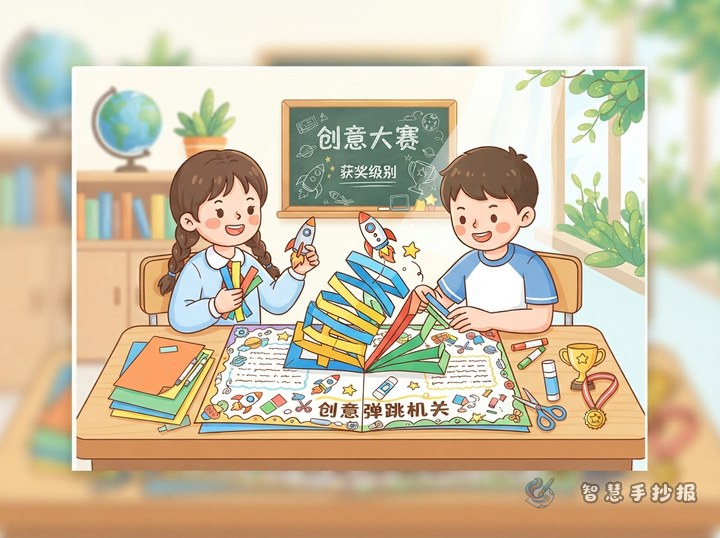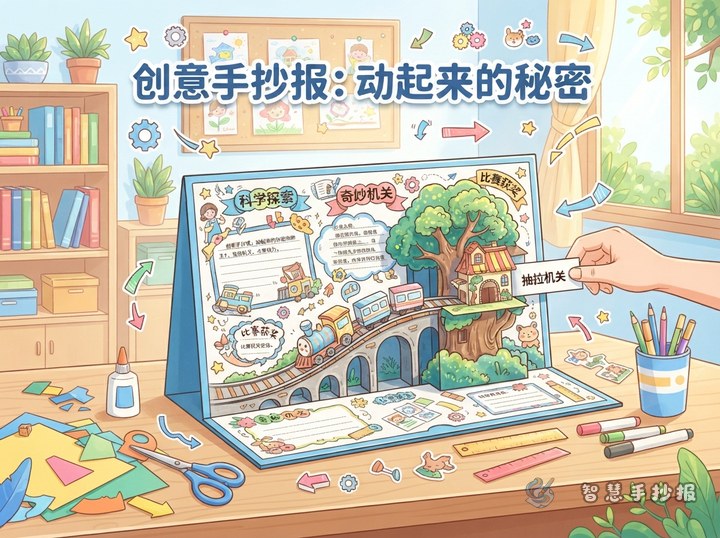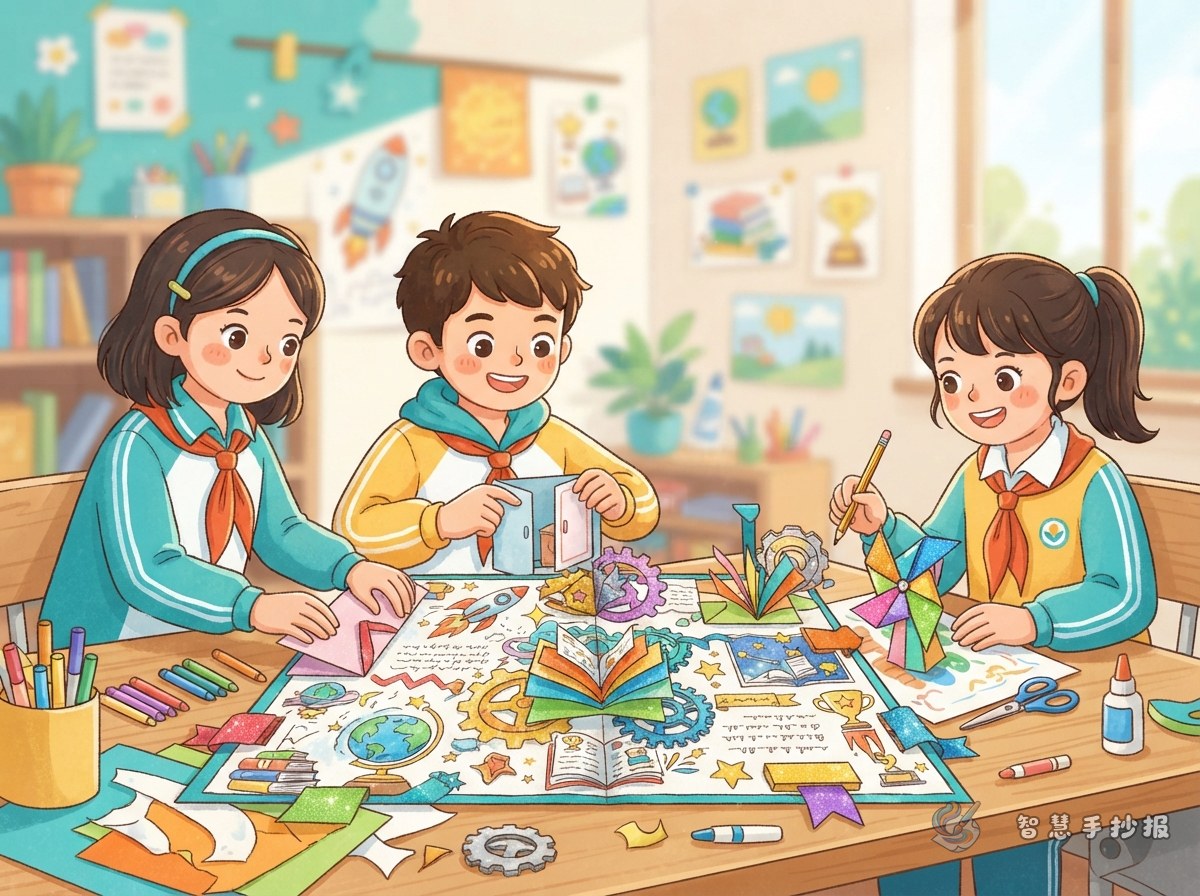
Give Every Flap a Real Purpose
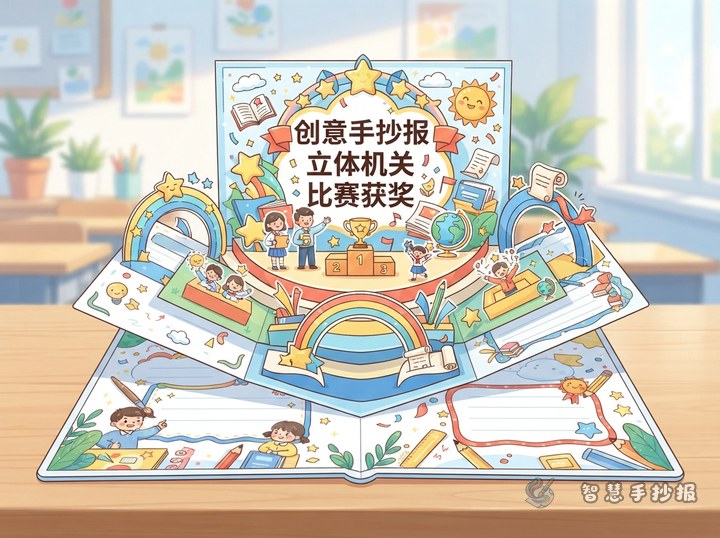
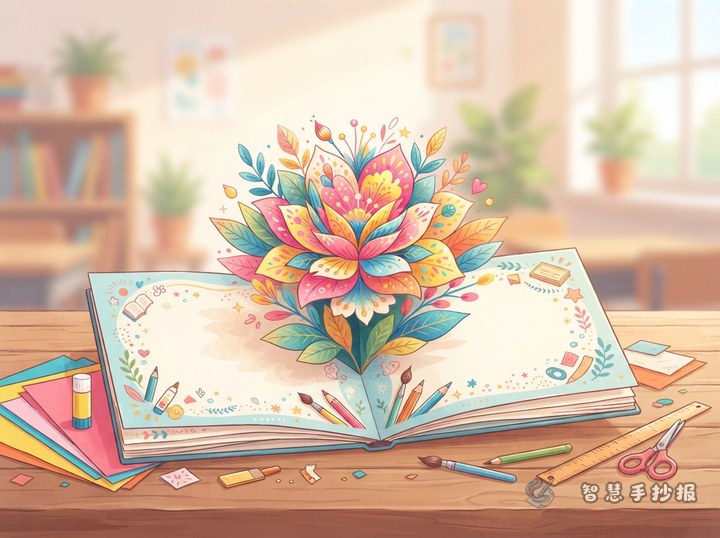
A successful interactive poster does more than attach colorful pieces to the page. Each flap should create a simple reading experience: notice a question, make a guess, open the cover, and discover useful information. Suitable themes include science experiments, holiday traditions, school safety, book recommendations, and environmental habits.
For a water conservation poster, three water-drop-shaped covers might ask where water is commonly wasted, how water can be reused, and what to do about a leaking faucet. The mechanism then supports the message instead of acting as decoration alone.
Ready-to-Use Sections and Short Text
Write This on the Outside
- Question:How can one container of water be used twice?
- Clue:This small daily habit prevents unnecessary waste.
- Choice:Should the faucet run while you brush your teeth?
Hide This Under the Flap
- Useful fact:Water used to rinse vegetables can be collected for plants or basic cleaning.
- Action tip:Turn off the faucet while brushing, then open it again only when rinsing.
- Observation task:Look for dripping faucets at home and tell an adult if one needs attention.
Add One Always-Visible Section
Keep a short introduction beside the interactive area: “Saving water means using what we need without letting it go to waste.” At the bottom, add a weekly action checklist with three items: turn off taps, reuse suitable water, and report leaks.
Build a Clear Path Across the Page
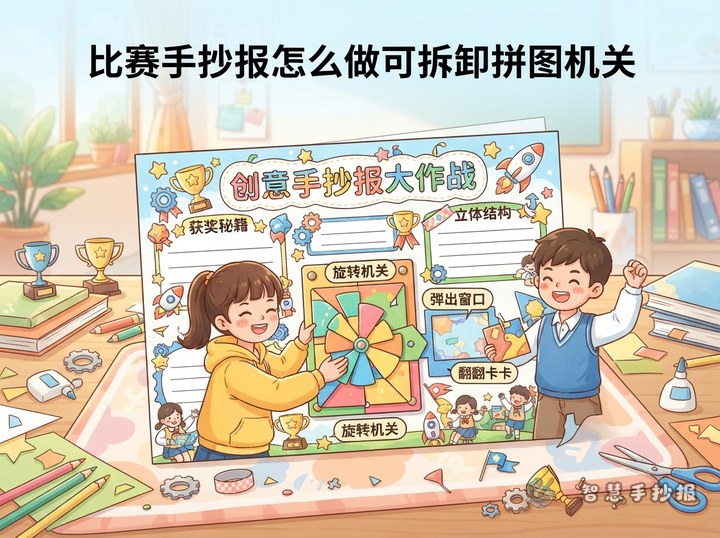
- Place a bold title at the top without letting it dominate the entire sheet.
- Create one central illustration related to the theme.
- Arrange the flaps around the illustration, mixing one large cover with several smaller ones.
- Use numbers or matching borders to show the opening order.
- Reserve a bottom section for the conclusion or action checklist.
Limit the palette to one main color and no more than two supporting colors. Since the flaps already add depth, use fewer background patterns and decorative borders to keep the information easy to follow.
Construct and Reinforce the Moving Parts
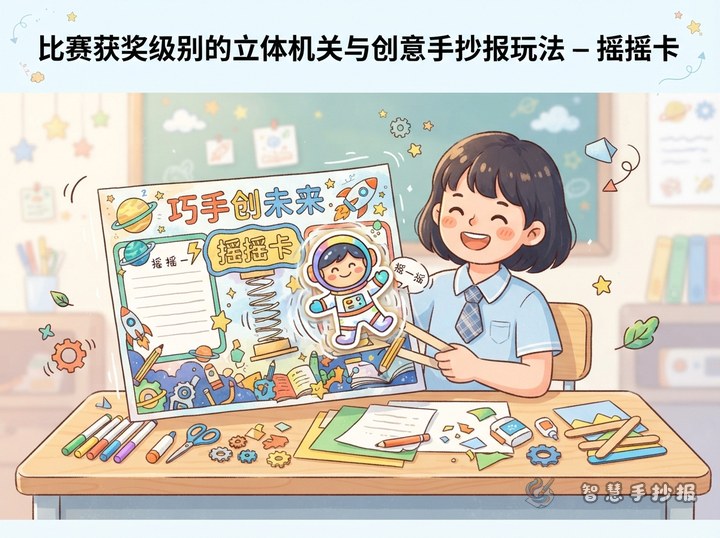
- Cut practice flaps from plain paper and test their size and opening direction on the draft layout.
- Trace the final shapes on heavier colored paper, adding a narrow folding tab on the fixed side.
- Score and fold the tab before gluing, then apply a small amount of adhesive only to that area.
- Add a pull tab, arrow, or short prompt such as “Open me.”
- Open every cover several times to make sure it does not hit nearby writing or artwork.
If the poster must be transported, reinforce the inside of each fold with a slim paper strip. Avoid heavy layers, sharp pieces, or loose decorations that could make the project difficult to handle safely.
Make the Whole Entry Feel Finished
The mechanism should support strong topic communication, accurate writing, and an organized layout. Check that the title is readable, the sections follow a sensible order, and the hidden text adds information rather than repeating the outside label. Use consistent flap shapes, lettering, and colors for a unified look.
Before crafting, sketch spaces for the title, flaps, fixed text, illustration, and conclusion. Students and parents can continue planning a suitable layout in the Smart Handwritten Poster WeChat Mini Program, then personalize the design with original handwriting and drawings.