Start with the core idea: clothing was more than decoration
When making this kind of handwritten newspaper, the key message should be clear: ancient Chinese clothing was not only beautiful, but also part of ritual order. Under the main title, you can write a short opening sentence such as, “In ancient times, colors, patterns, and ways of dressing reflected identity, occasion, and etiquette.” This helps the whole page stay focused.
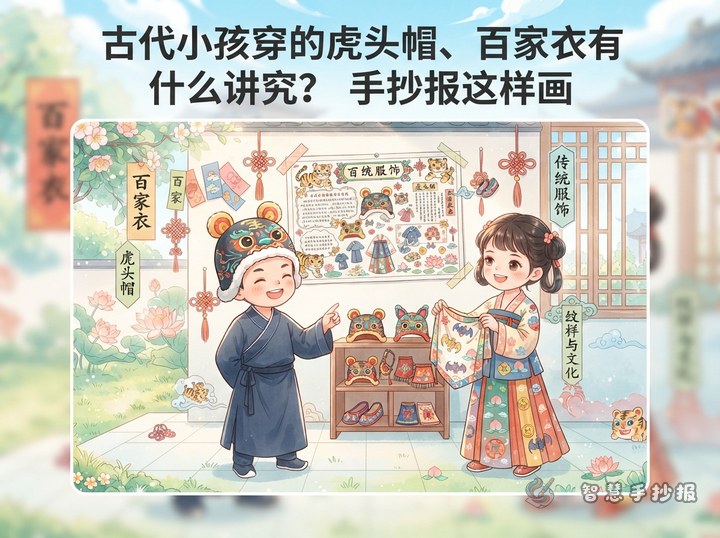
For younger students, it is better not to turn the page into a difficult history essay. Instead, highlight visible and easy-to-understand details such as garment colors, sleeves, collars, belts, and decorative motifs.
Ready-to-use text ideas for the page
Colors and ritual meaning
In ancient clothing, colors were often chosen according to status, ceremony, or special occasions. You can write that color was not only a matter of beauty, but also a sign of order and proper conduct.
Patterns and symbolism
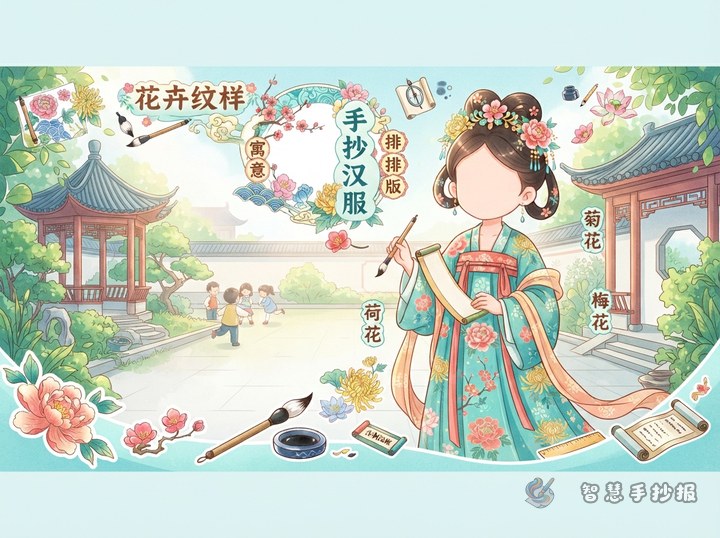
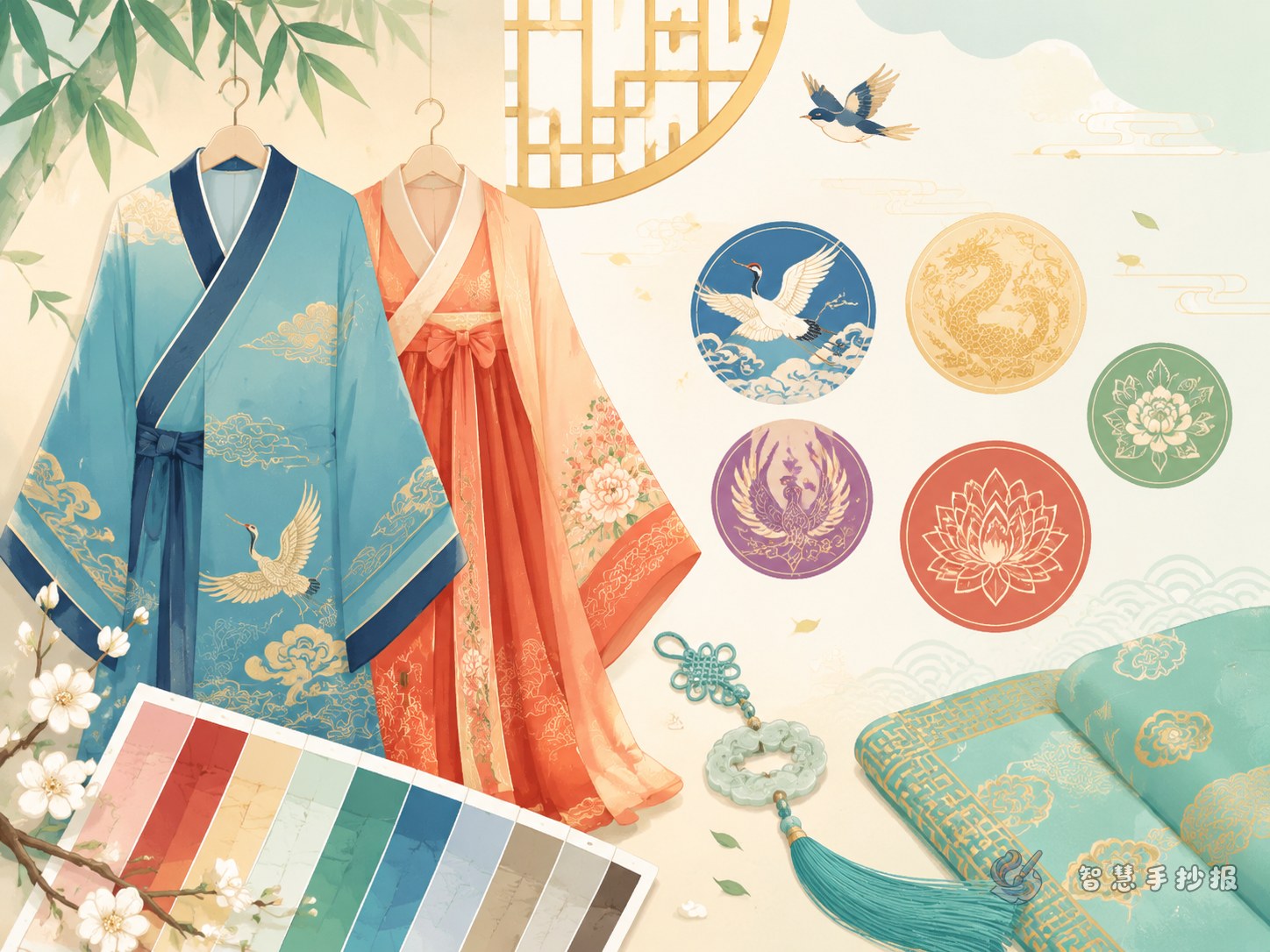
Decorative motifs on clothing often carried meaning. Floral patterns could express good wishes, repeating designs suggested continuity, and cloud-like motifs gave a feeling of dignity and grace. There is no need to use too many technical terms; the main point is that patterns had symbolic value.
Dressing according to occasion
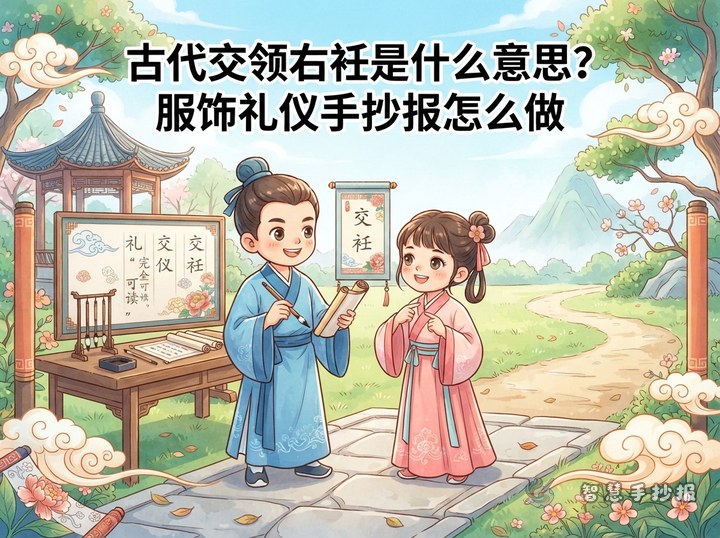
Ritual culture emphasized wearing different clothing for different situations. Formal occasions called for dignity, while daily wear focused more on comfort and appropriateness. A simple summary is: what people wore and how they wore it were part of ritual culture.
How to divide the page into clear sections
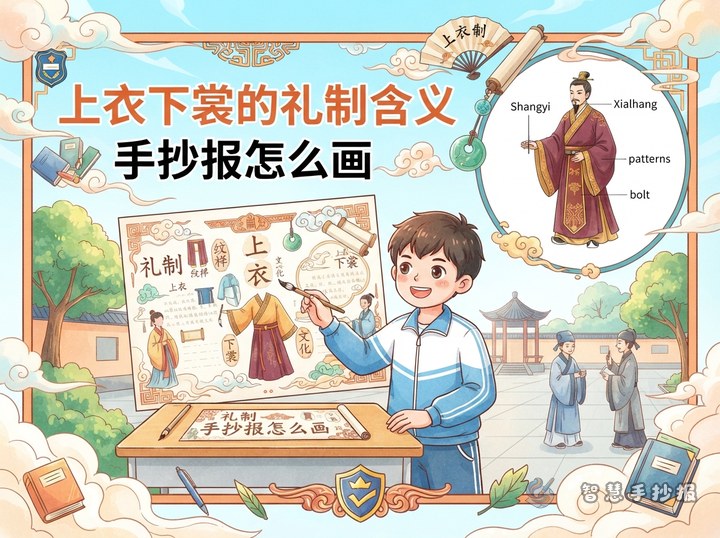
- Main title area: Use a title such as “Ritual Meaning in Hanfu Colors and Patterns,” and decorate it like a scroll.
- Knowledge boxes: Create sections like “Color Notes,” “Pattern Discovery,” and “Etiquette Facts” with short and clear text.
- Picture-and-label area: Draw a simple Hanfu outline and label the collar, sleeves, and hem with pattern and color explanations.
- Interactive corner: Add “My Favorite Traditional Pattern” or “My Costume Color Plan” to make the work more lively.
This structure makes the page easy to read and helps viewers find the main points quickly.
Short sentences students can copy
- Ancient clothing valued both beauty and etiquette.
- Colors and patterns often expressed identity, blessings, and social order.
- Different occasions required different kinds of dress.
- The beauty of Hanfu is found in both its appearance and its meaning.
- A single pattern on a robe may carry ancient wishes and aesthetic ideas.
These short lines can be placed around the page to fill space while strengthening the theme.
Keep decorations focused on clothing features
This topic works well with visual elements such as robe edges, wide sleeves, jade pendants, ribbons, knots, and patterned borders. You do not need to overfill the page. Small motifs in the corners, such as floral medallions, auspicious curves, or simplified cloud shapes, are enough to create a traditional feeling.
Good color choices include cream, soft red, muted green, and light gold. Avoid using too many bright colors at once. Make the title larger, keep the text blocks tidy, and leave enough blank space so the page feels balanced and elegant.
A simple ending to complete the project
You can finish with a short conclusion such as: Colors and patterns in ancient Chinese clothing were not only decorative, but also reflected ritual culture. Through this handwritten newspaper, we can discover the beauty of order, meaning, and tradition in historical dress.
If you want to improve the title style, section arrangement, or overall look after drafting your content, you can continue designing in the Smart Handwritten Newspaper WeChat mini program.