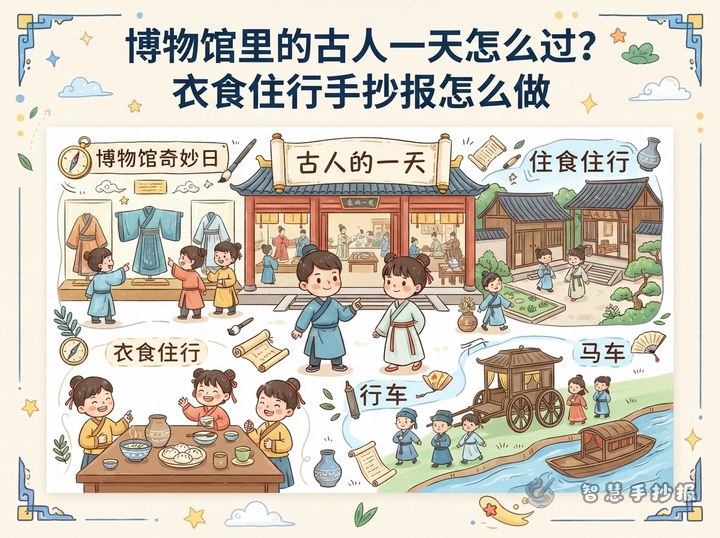
Start with the person through museum evidence
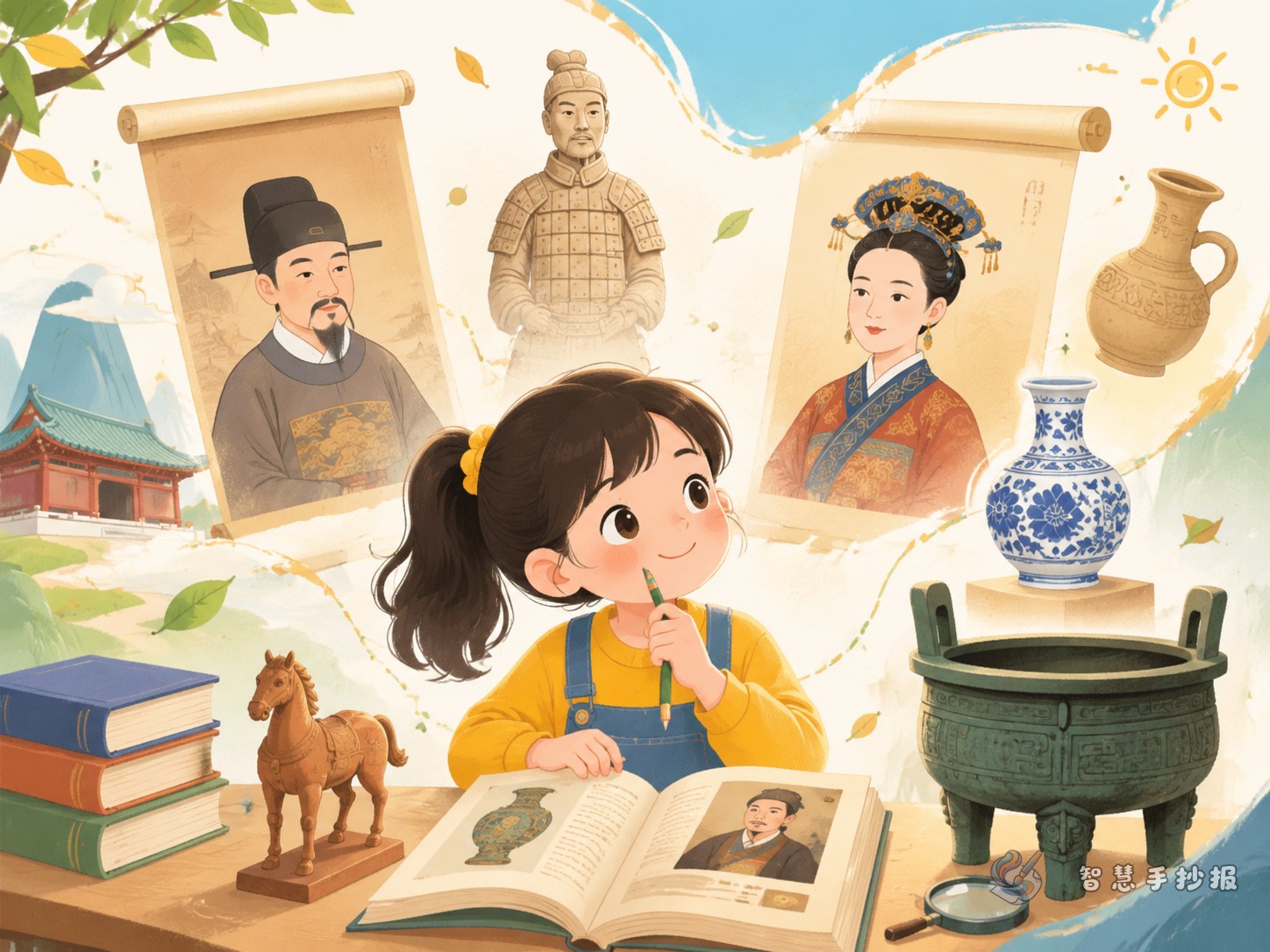
A history figure themed handwritten newspaper becomes much more interesting when it begins with museum clues instead of a long biography. Portraits, seals, writing tools, clothing, weapons, and documents can all help students understand who the person was and what kind of world they lived in.
A simple core sentence for the page can be: Learn about a real historical figure through museum artifacts. This gives the whole page a clear focus.
Four easy sections students can use
Quick profile
Include the person’s name, time period, identity, and most important achievement in a few short lines.
- Name and dynasty or era
- Who the person was
- One major contribution
- Why people still remember them
What a museum can show us
This is the highlight of the theme. Students can write about portraits, inscriptions, tools, calligraphy, clothing, or everyday objects related to the figure or the same period.
- Portraits show appearance and status
- Objects reveal daily life or work
- Documents explain background
- Period artifacts build historical context
One short story
Choose one small, easy-to-understand story that shows a quality such as diligence, honesty, courage, or care for others.
What I learned
This section makes the newspaper feel personal. Students can write how museum objects made history feel more real and easier to imagine.
Simple writing formula
If students do not know how to write the body text, use a three-part formula: one sentence about the figure, one sentence about the artifact, and one sentence about the lesson learned.
- Figure sentence: This person played an important role in history.
- Artifact sentence: Museum objects help us understand the person more clearly.
- Reflection sentence: History is not just names in a book, but the lives of real people.
A layout idea that fits the theme
Try a center-focused layout. Put the title or the figure’s name in the middle, then place the four sections around it. This creates the feeling that the person is surrounded by historical clues.
- Center: title or figure name
- Top left: quick profile
- Top right: museum clues
- Bottom left: short story
- Bottom right: reflection
Decorations can include scroll lines, book shapes, seal stamps, tiles, or simple ancient patterns.
Color and decoration tips
Choose calm colors such as light brown, dark green, brick red, or beige. Keep the title bold and the body neat. Small drawings should support the page, not overcrowd it.
- Scroll borders for profile sections
- Seal shapes for key words
- Books or lamps for corners
- Pattern lines to divide sections
After planning the sections, families and teachers can also continue refining the page in the Zhihui Shouchaobao WeChat mini program for a more unified layout and color match.
Three mistakes to avoid
- Do not turn the whole page into a long biography.
- Do not fill it with too many dates and difficult events.
- Do not make up legends about relics. Keep the focus on learning history through objects.
As long as the connection between the person and the artifacts stays clear, this theme will feel richer and more museum-based than a normal history figure page.