Decide what kind of change your poster will highlight
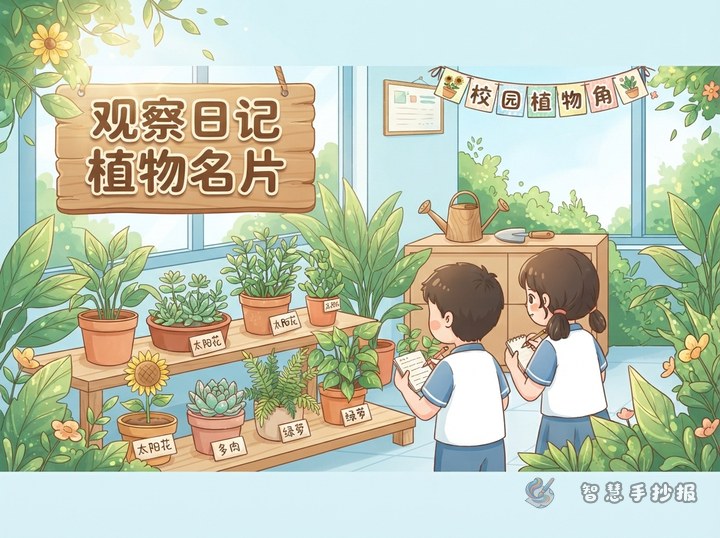
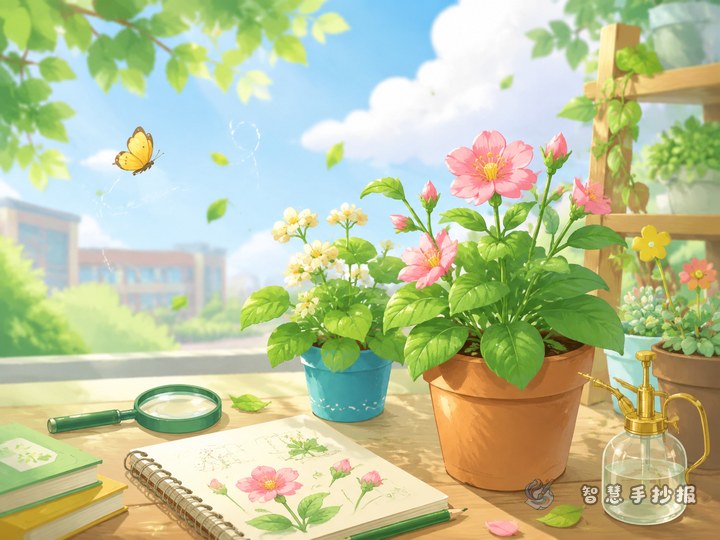
A campus plant corner growth record poster becomes interesting when readers can clearly see that the plant is changing over time. Before writing, choose one plant, such as mung beans, spider plant, succulent, or balsam, and decide whether your focus is on sprouting, leaf changes, height growth, or flowering stages. A clear focus makes the whole poster easier to organize.
If your observation period is short, show the most obvious changes over several days. If it is longer, turn the content into a mini growth file that feels complete and meaningful.
Poster sections that work better than a plain diary
A handwritten poster should not look like one long copied diary entry. Breaking the content into small sections makes it easier to read and decorate.
- Plant profile: write the plant name, color, where it is placed, and the date observation began.
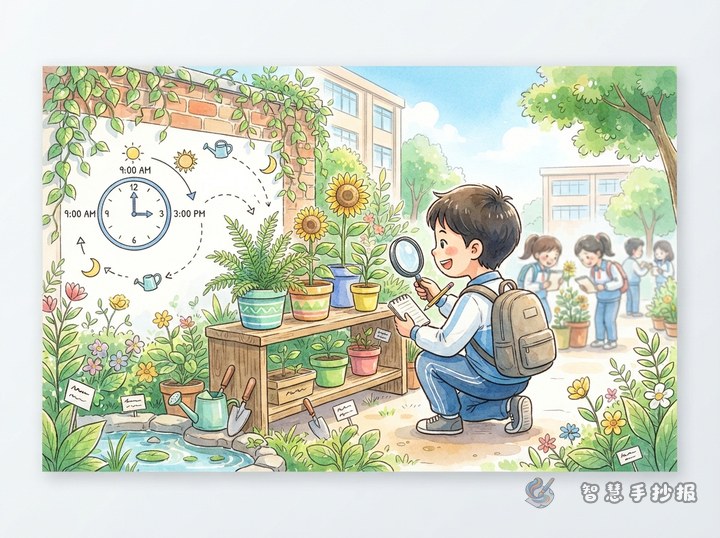
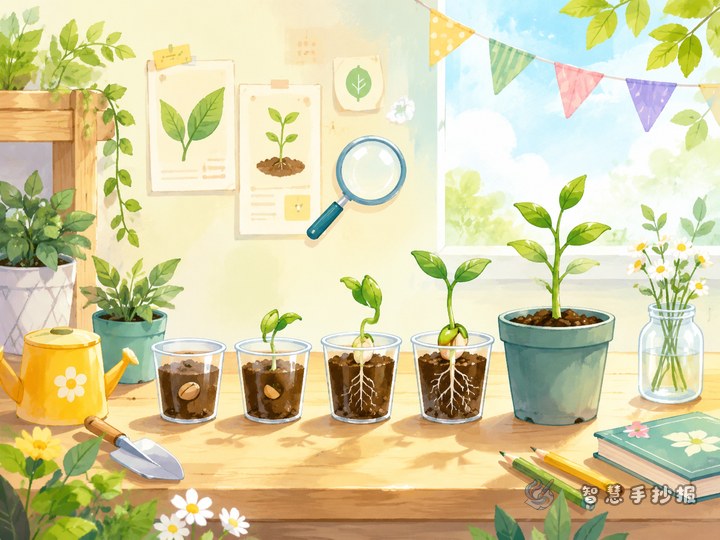
- Growth timeline: note changes on Day 1, Day 3, Day 5, Day 7, and so on.
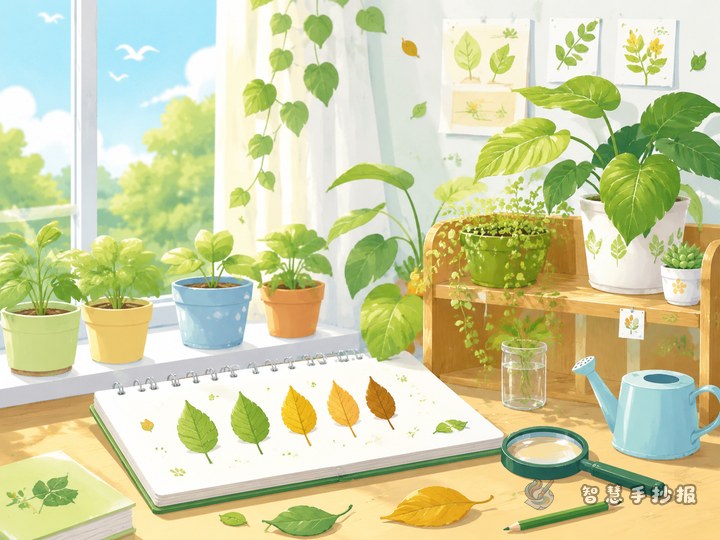
- Compared with last time: explain what became taller, greener, or fuller.
- Care tips: mention watering, sunlight, and simple maintenance.
- My observation feelings: add one or two short sentences about surprise or learning.
This combination gives the poster both useful information and a diary-like feeling, which is ideal for school assignments.
Ready-to-use writing ideas for growth records
If you are not sure how to begin, write in a simple and concrete way. The goal is not fancy language, but visible change.
- On the first day, I noticed the soil looked slightly raised, as if a new life was about to appear.
- On the third day, a tiny sprout pushed out of the soil. Its pale color made it look soft and delicate.
- By the fifth day, the stem had grown taller and two small leaves slowly opened.
- On the seventh day, the leaves looked darker and stronger than before.
- I found that plants change a little every day, and careful observation helps me notice new details.
You can also add comparison sentences like “It is a little taller than yesterday” or “The leaves look neater than last week.” These short lines fit very well beside a timeline.
How to make the page feel like a story
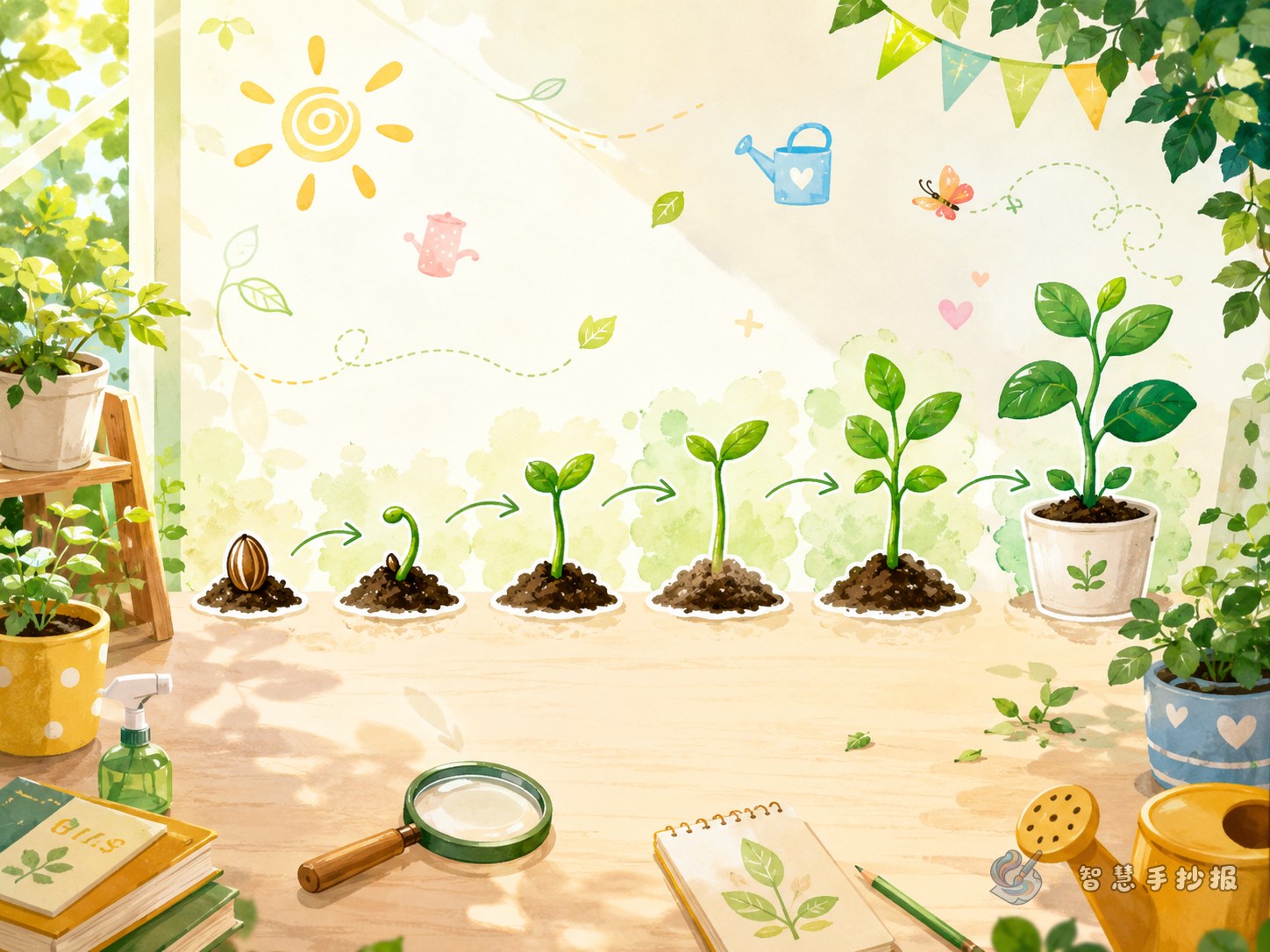
To make the poster more attractive, turn the growth process into something visual. You can draw one plant in the center and place dated note boxes around it, or arrange arrows from left to right to show progress like a story. The title does not need heavy decoration, but small elements like leaves, flowerpots, and water drops can make the theme clear.
Green, light yellow, and light brown are good main colors because they match the plant corner atmosphere. Do not fill every space with text. A little blank space keeps the page fresh and tidy. If you want to continue improving the layout and color matching, you can also explore ideas in the Zhihui Shouchaobao WeChat mini program.
A natural way to finish the poster
The ending does not need to sound overly formal. You can simply write what you learned, such as “I learned that plant growth needs patience” or “Small daily changes become very clear over time.” This kind of closing fits the theme and gives the poster a complete feeling.
If there is still empty space, add a small reminder about caring for plants, such as watering on time or touching young leaves gently. That will make the whole poster feel fuller and more connected to real school life.