Choose a Small Topic That Young Students Can Handle
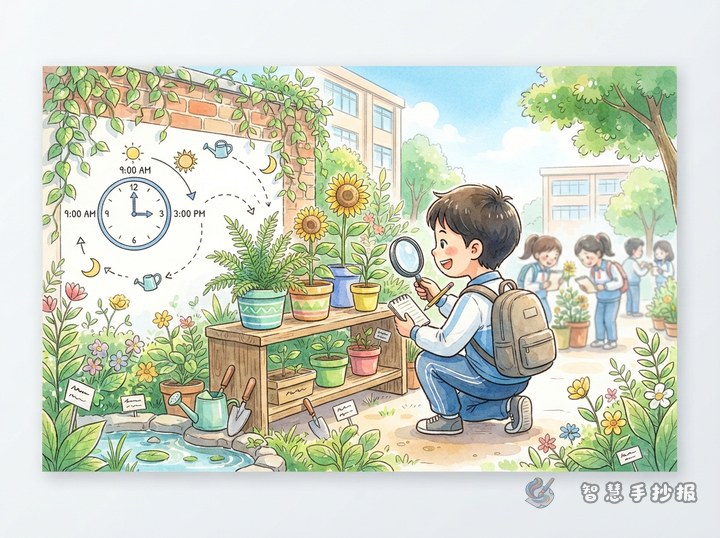
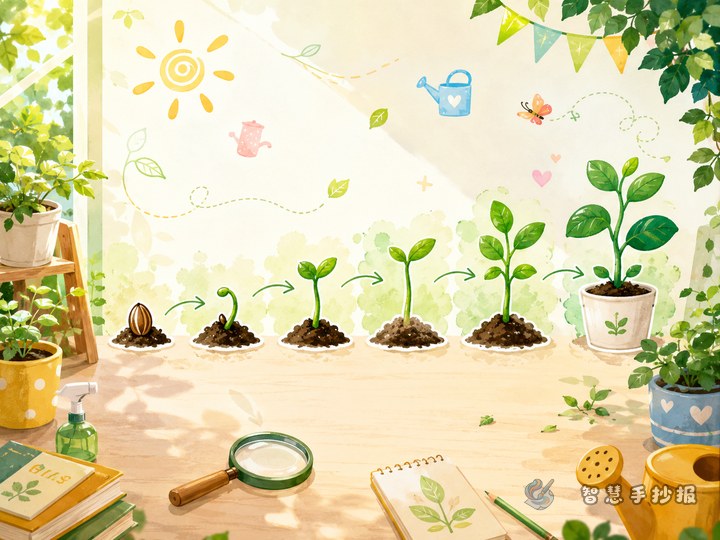
For a first-grade campus plant corner observation newspaper, the topic should be specific and easy. Instead of covering too much, focus on one plant or one short period of observation. Titles like “My Plant Corner Friend,” “Watching Bean Sprouts Grow,” or “A Little Plant in Our Classroom” are easier for children to write about.
If a child is new to this kind of project, it is best to pick a familiar plant such as pothos, spider plant, bean sprouts, or green onion. Familiar plants are easier to observe and draw.
Easy Section Ideas That Can Be Used Right Away
This kind of newspaper does not need too many sections. Three or four parts are enough to make it look complete and tidy.
- Plant Profile: the plant name, color, shape, and where it is placed.
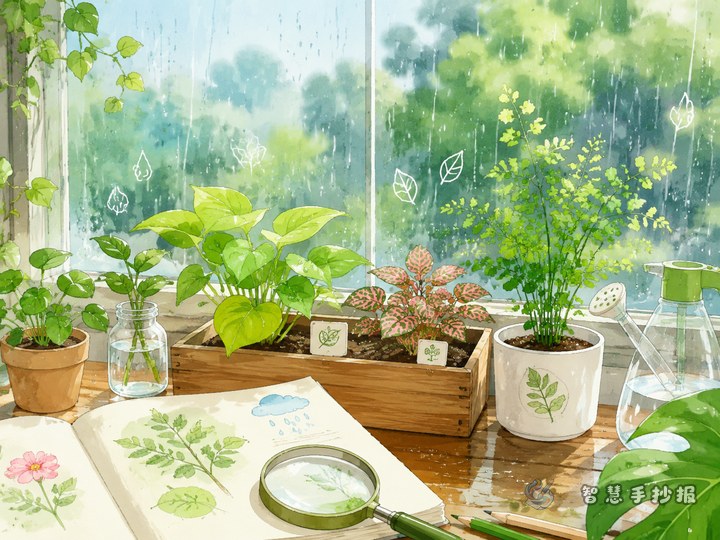
- Today’s Observation: whether the leaves are bigger, the stem is taller, or the soil is wet.
- Care Record: when it was watered, whether it got sunlight, and how it was looked after.
- My Discovery: one short sentence such as “I found that plants grow quietly every day.”
If the page still feels empty, add a small “Plant Fact” section with one or two simple lines like “Plants need sunlight and water to grow well.”
Short Writing Samples for Young Students
These sample lines can be adapted for the newspaper:
- Today I observed the pothos in our classroom. Its leaves looked brighter than yesterday.
- This plant stays near the window and gets warm sunshine.
- I gave it a little water and hope it grows well.
- I noticed the new leaves are light green and very cute.
- Plants are like little friends and need careful care.
Parents and teachers can remind children to keep sentences short and true. Real observation is more suitable than difficult vocabulary for this topic.
A Layout That Looks Neat Without Being Hard
The easiest way for first graders is to divide the page into clear parts before writing. Put the title at the top, draw the main plant in the center, and arrange small sections around it. Borders can use leaves, flowers, grass, or clouds for a cheerful school look.
- Write the title first in larger letters.
- Draw the main plant, such as a pot with leaves.
- Divide the page into left, right, and bottom content areas.
- Add small decorations at the end to complete the page.
Do not fill every corner. Some blank space makes the work look cleaner and easier to read.
Color Choices That Feel Fresh and Child-Friendly
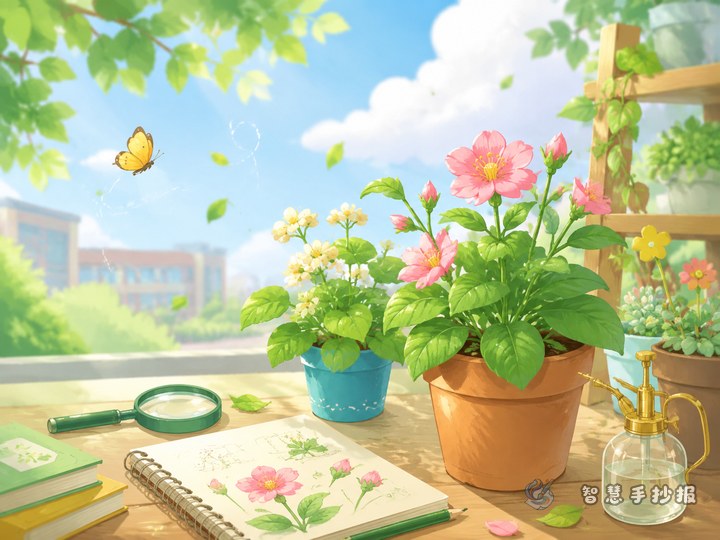
Plant corner themes look best with bright and soft colors like green, light yellow, sky blue, and orange. Green can be the main color, with yellow or pink as accents. The title should stay easy to read, so avoid using too many mixed colors.
Small details such as a watering can, a little sun, butterflies, or ruler-style observation lines can make the page more lively and playful.
Final Checks Before Finishing
- Make sure the title clearly shows the topic.
- Check that each section is short and not overcrowded.
- See whether the main plant drawing is easy to recognize.
- Keep the colors balanced and not messy.
- Use real observations that match what students can actually see.
If you want to improve the layout, add more text ideas, or explore another style, you can continue in the Zhihui Shouchaobao WeChat mini program for more plant corner newspaper inspiration.