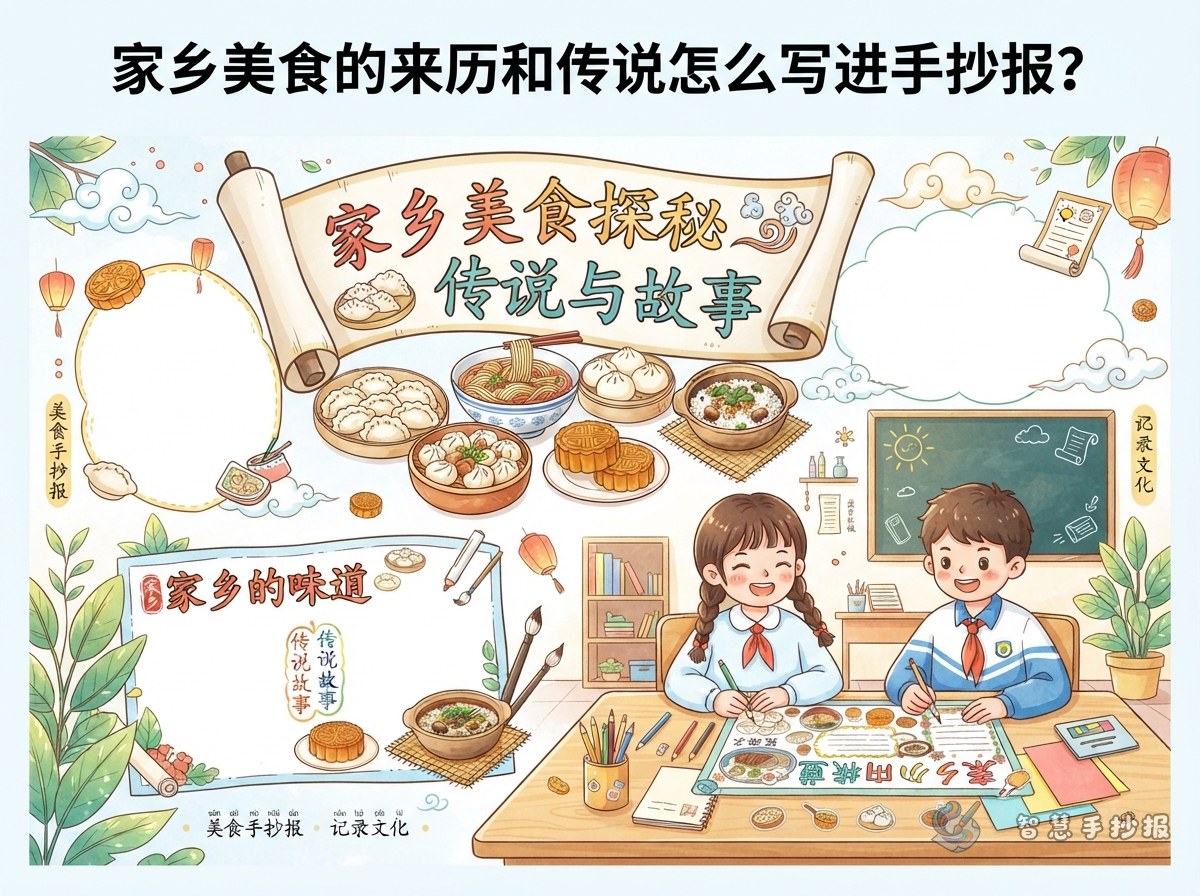
Decide First: One Dish or a Whole Table
Make this choice before you start drawing, because it shapes everything else.
- One dish: good for a small page or a tight deadline. Pick the dish your family cooks most often and follow it from start to finish.
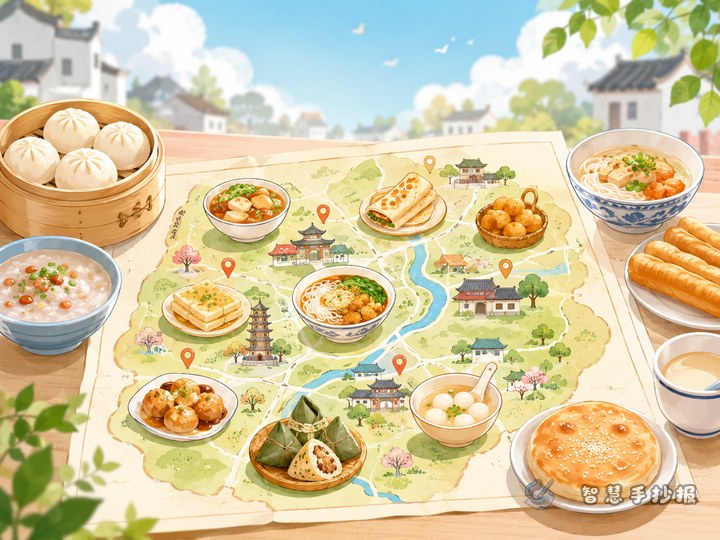
- A whole table: good for a big page with several small boxes. Use your family dinner table or a familiar street as the thread that links three or four dishes.
- One cooking method: steam, wrap, pickle or sun-dry. Group several hometown dishes under the same method for a fresh angle.
The more specific your topic, the easier it is to write. 'Grandma's pot by the stove' works far better than 'hometown food'.
A Three-Part Story: Origin, Details, Today
Part one: where the dish comes from
Write down what an older family member actually told you: who made it first, which generation passed it on, which occasion it belongs to. Name your source with phrases like 'Grandpa says', which sounds honest and keeps you from getting facts wrong.
Part two: the little rules of making and eating it
Details make this part shine: how long the dough rests, how hot the pan is, what you eat it with, who is served first, what is expected at the table. The more concrete you are, the easier it is for readers to imagine the smell.
Part three: what it looks like today
Describe what has changed. Does your family still cook it often, or only on festivals? Do the small shops still sell it? Have you learned to make it? Ending with yourself makes the page personal rather than a plain report.
Small Columns That Fill the Page Nicely
Let the main column carry the story while the small boxes add facts, so the page never feels crowded.
- Legend corner: retell a short food story in three or four sentences, or write it as a dialogue.
- Saying of the town: one local phrase about eating or welcoming guests, plus one line of your own explanation.
- Ingredient cards: list two or three main ingredients, where they grow and which season suits them best.
- My family's favourite bite: one sentence per person about how they like to eat it. Very warm and very readable.
- Taste label: sum up the dish in a few short words, such as 'salty, chewy, best eaten hot', and use it as a corner label.
Laying Out the Page: Main Story First, Details Around It
- Draw the title block first, leaving a small empty corner for decoration you add at the end.
- Place the main column in the upper left or upper centre, taking about half the page, so it is the first thing readers see.
- Arrange the small boxes along the right side and the bottom, varying their sizes instead of making them all equal.
- Do not fill every line to the edge. Leave a little space between rows and keep the characters evenly spaced.
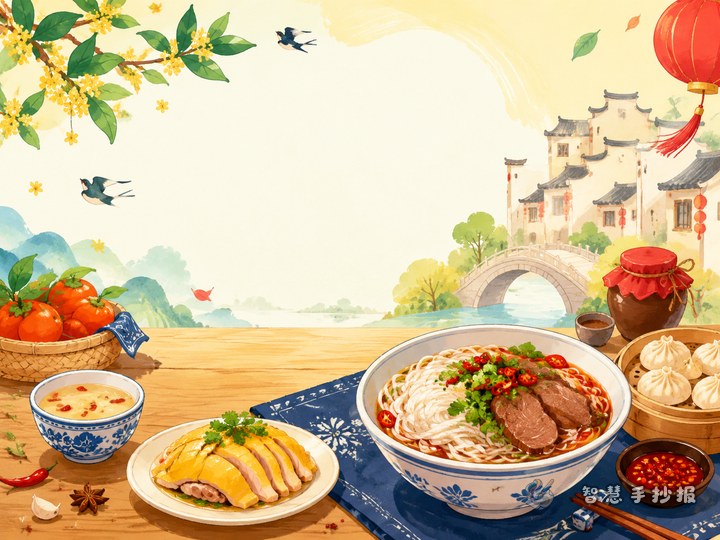
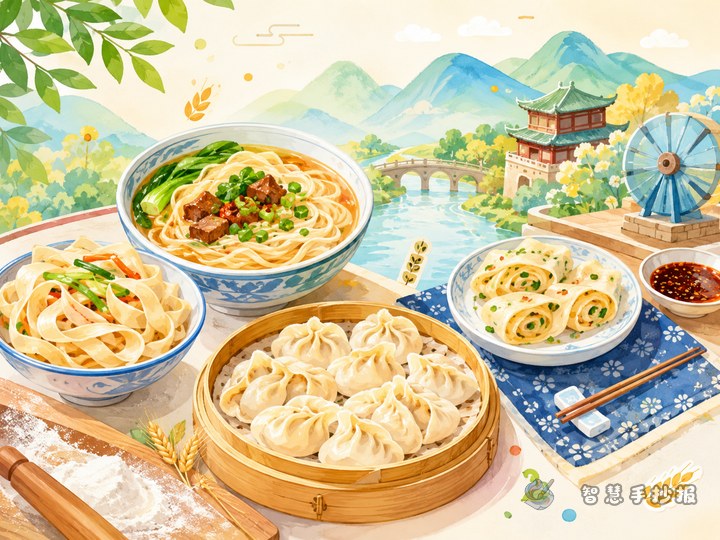
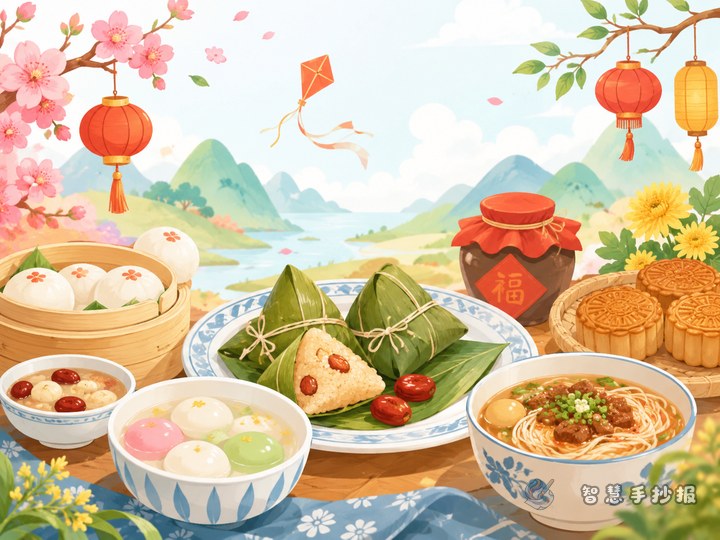
- Keep decoration on topic: bowls, chopsticks, steamers, dumpling outlines or ingredient silhouettes, in no more than three colours.
If you want a neater result, open the WeChat mini program 'Smart Handwritten Newspaper', choose a food-themed layout, drop your finished text into the boxes and adjust the size and position to suit your own ideas.
Sentence Starters and a Final Check
- 'Grandma says this dish was first made on a certain day, because...'
- 'The most important step is a certain action. A moment too long or too short changes the taste.'
- 'At our table it is always served with something else. Without it, the meal feels incomplete.'
- 'You can buy it on the street now, but the bowl at home still tastes best to me.'
Before you finish, do three things: read it aloud once and trim any sentence that runs too long; count how many lines each column and box contains; and check that the title is the largest and boldest element on the page.