Start with real problems students see at school
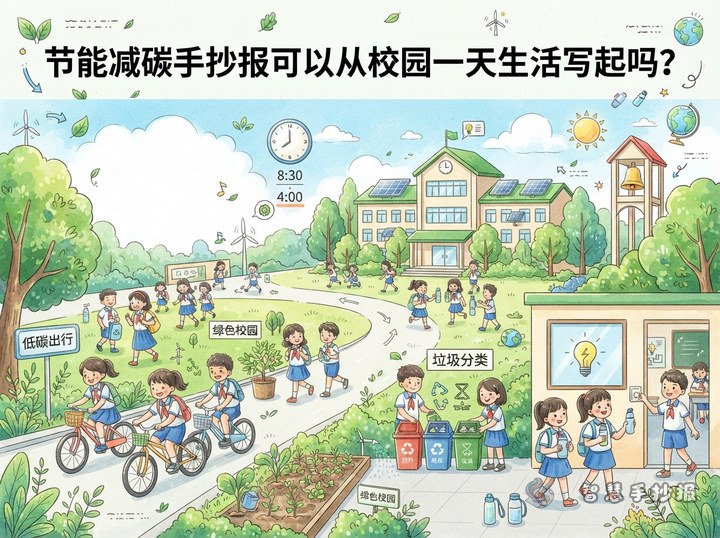
An energy-saving inventions poster works best when it begins with everyday school problems: lights left on in an empty classroom, a dripping tap, paper thrown away after one side is used, or curtains closed while the sun is shining. Students can describe the problem in one sentence, then add a simple invention idea beside it.
- Empty classroom, lights still on: make a last-one-out checklist or reminder card.
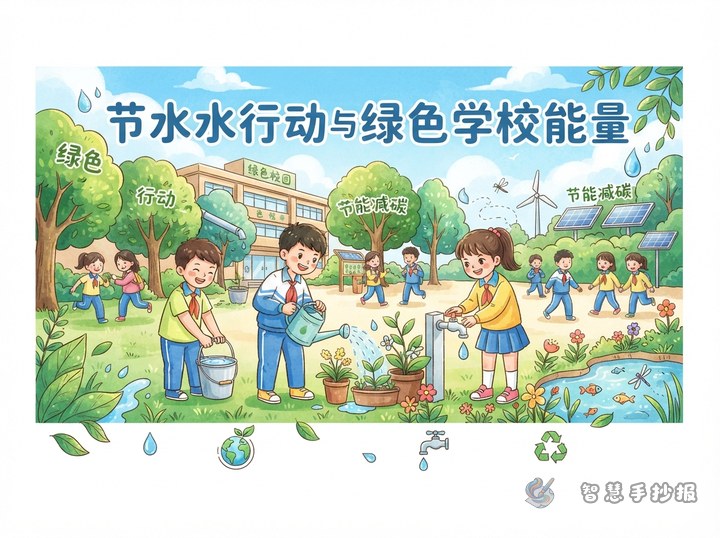
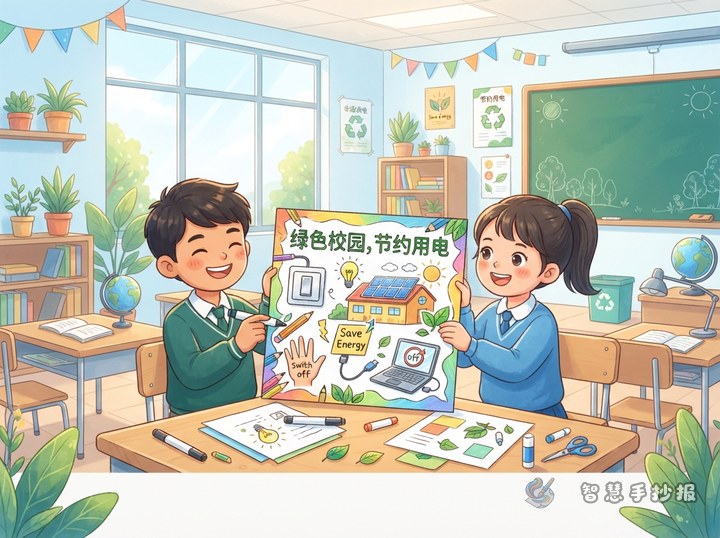
- Tap left running: design a small sign that says “Close it tight, save water.”
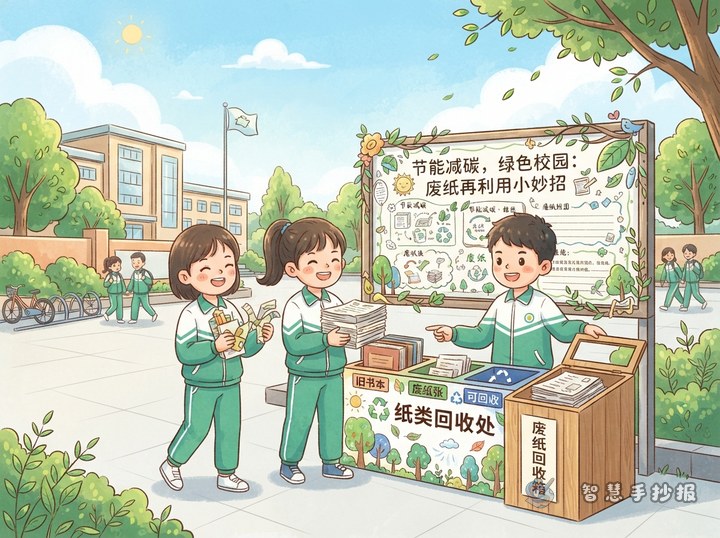
- Paper waste: sketch a classroom paper reuse box for single-sided sheets.
- Daylight ignored: draw a sunny study corner plan that encourages using natural light first.
Pick inventions that are easy to draw and explain
Choose a few clear ideas instead of many complicated terms. Each invention can be written in three short parts: what problem it solves, how it works, and what difference it makes.
Lighting and electricity
- A door-handle reminder sign for turning off lights.
- A classroom electricity monitor duty chart.
- A daylight reminder sticker that asks students to open curtains on bright days.
Water and paper
- A tap reminder sign shaped like a water drop.
- A reuse box for paper that still has one blank side.
- A “use both sides” bookmark made from a leaf or water-drop outline.
Reuse and recycling
- A simple paper and cardboard sorting shelf.
- A pencil holder made from an old box, labeled “Use it again.”
- A green job chart for light monitors, water monitors, and recycling helpers.
Use four clear zones on the page
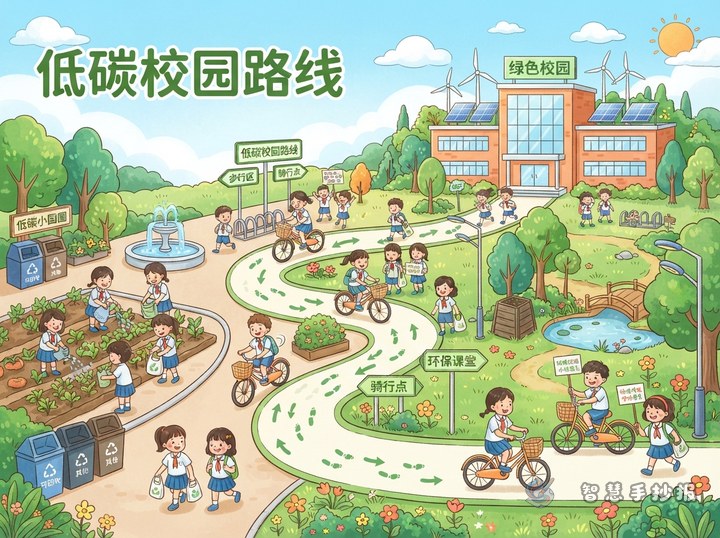
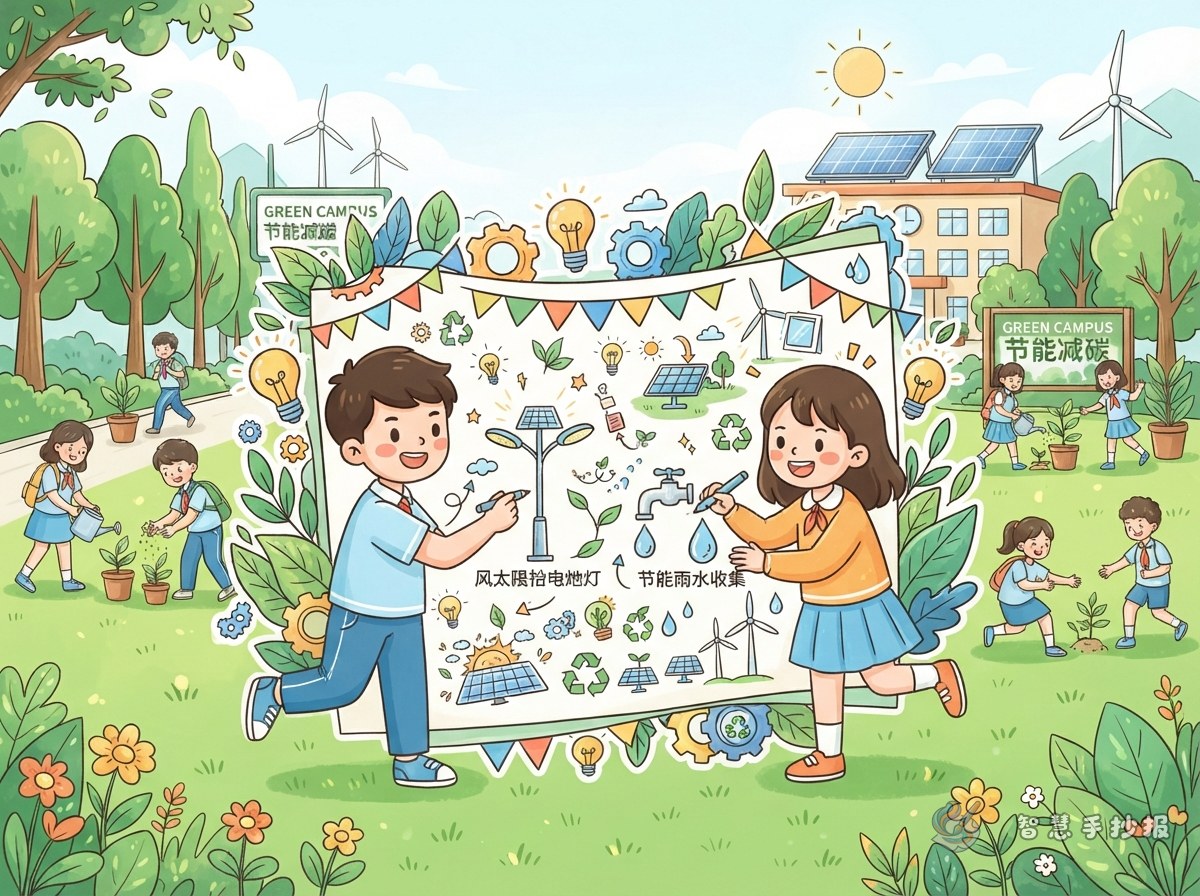
Draw a strong main title first, then divide the page into areas of different sizes. Place the title at the top or in the center and leave a little white space so the poster does not feel crowded.
- Problem corner: list school problems with small drawings.
- Invention showcase: draw two or three ideas and add short labels.
- Simple science: explain in one sentence why saving power, water, and paper matters.
- Green promise wall: leave space for a class slogan or personal pledge.
If the page is small, keep only the problem corner and promise wall, and turn the invention notes into three short lines.
Write short titles and useful text
Handwritten newspaper titles should be short and easy to read. Use lists, questions, and brief sentences instead of long paragraphs.
- Main title ideas: “Small Inventions, Greener School,” “Energy-Saving Ideas at School,” “My Low-Carbon Invention.”
- Section names: “Problem Corner,” “Energy-Saving Tips,” “Green Action Card,” “Eco Job Board.”
- Short lines: “Turn off the light, save a little power,” “Use both sides of the paper,” “Small ideas can make a big difference.”
- Call to action: “Be an energy detective in your school today.”
Keep the design bright and readable
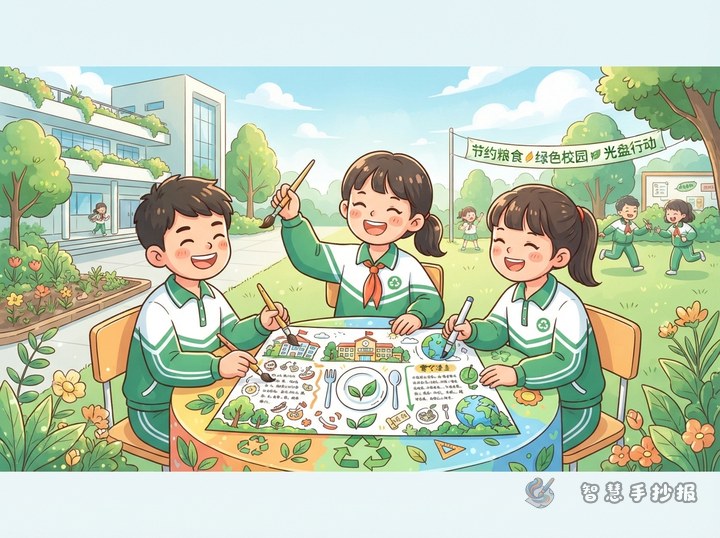
Green is a natural color for this theme, but the whole page does not need to be dark green. Use green as the main color, blue as a partner color, and light yellow for small accents. Keep titles and important words in a dark color for contrast.
- Drawing ideas: light bulbs, taps, leaves, recycling boxes, the sun, books, and small tools.
- Borders: use thin lines or soft waves to separate sections instead of heavy decoration everywhere.
- Text sizes: large main title, medium section names, smaller body text with enough spacing.
- Highlights: use bold words or tiny icons for actions such as “turn off lights” and “use both sides of paper.”
Quick check before turning it in
- Is the theme clear at a glance?
- Does each section have a small heading and readable text?
- Are the invention ideas connected to real school life?
- Is the layout balanced with drawings, text blocks, and some white space?
If you want more layout ideas or short text samples, continue in the WeChat Mini Program “智慧手抄报,” look for green campus topics, and finish your own energy-saving inventions poster.