Decide the main idea first
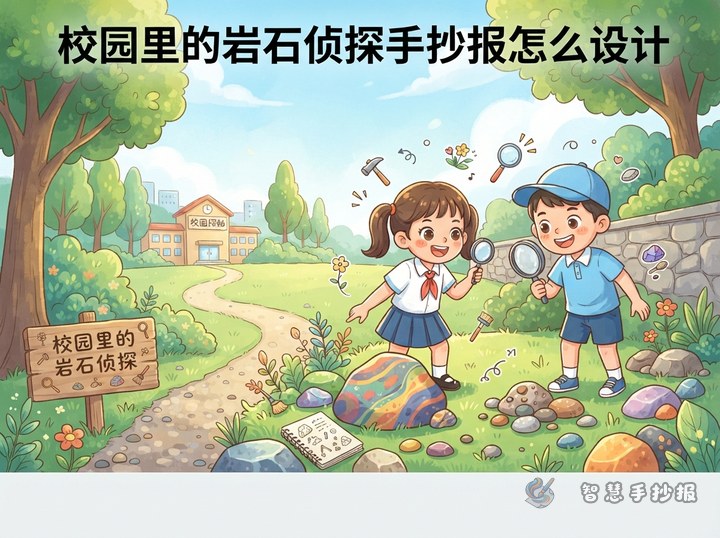
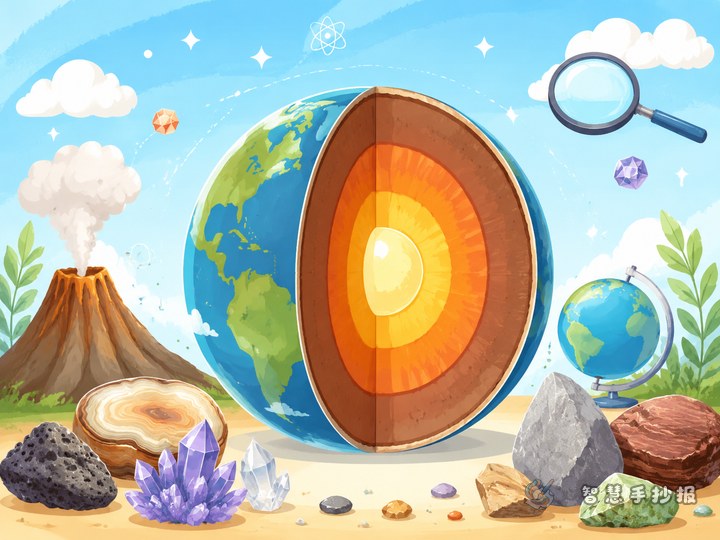
A rocks and minerals handwritten newspaper does not need to include every fact. A better student-friendly direction is to focus on knowing rocks, understanding minerals, connecting them to life, and learning to observe. This keeps the topic clear and the page easier to organize.
If the work is for class display, add a short opening paragraph under the title to explain that stones are not just ordinary hard objects. They tell stories about Earth and are closely connected to everyday life.
An easy section plan that works well
1. The three main rock types
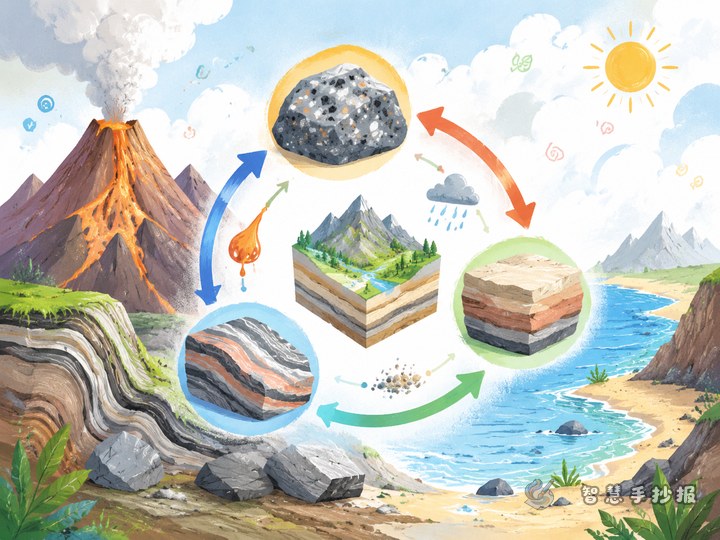
- Igneous rocks: formed when molten material cools.
- Sedimentary rocks: formed by layers of sand, mud, and small particles over time.
- Metamorphic rocks: rocks that changed because of heat and pressure.
2. Common mineral cards
- Quartz: very common and often found in many rocks.
- Mica: has thin shiny layers.
- Calcite: appears in different colors and is a common mineral.
- Feldspar: an important mineral found in many rocks.
3. Rocks in daily life
You can mention building materials, roads, sculpture, glass-related materials, and ceramics. This helps the newspaper feel practical instead of being only textbook knowledge.
Short text materials students can use
Text 1: A rock is a natural solid made of one or more minerals. Different ways of forming create different shapes and properties.
Text 2: Minerals are the basic parts that make up rocks. Some shine, some are more transparent, and some feel rough.
Text 3: A small stone may have changed over a very long time. It is like a quiet witness to Earth's history.
Text 4: Observing color, texture, grains, and shine is like starting a tiny geology adventure.
Layout ideas that make the page stand out
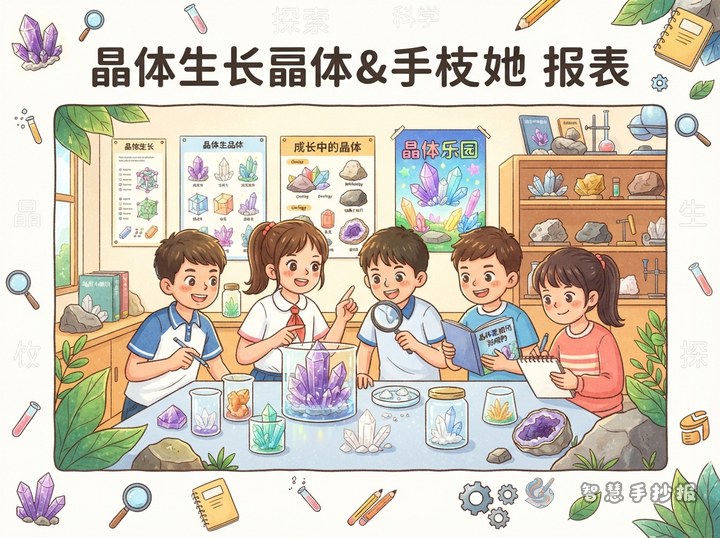
This topic looks great with a section-based layout. Put the main title in the center or top area, and arrange several small parts around it for a clean and layered design.
- Decorate the title with rock shapes, crystal forms, or layer patterns.
- Divide the page into four zones: rock types, minerals, uses, and observation.
- Use irregular stone-style borders to strengthen the theme.
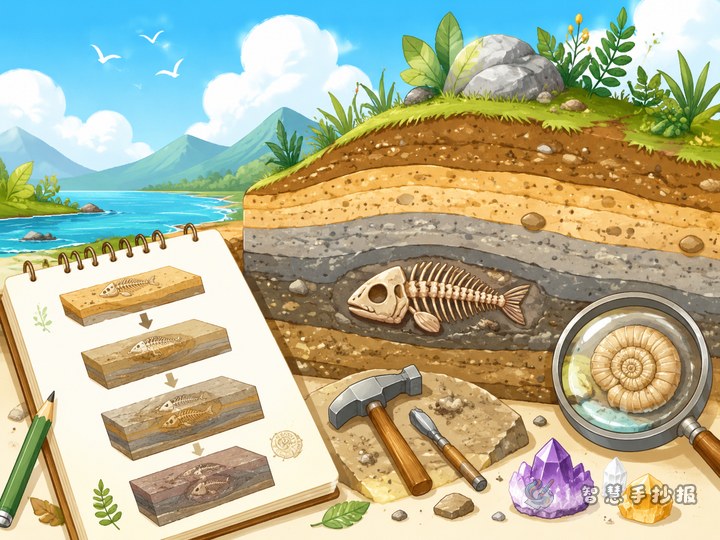
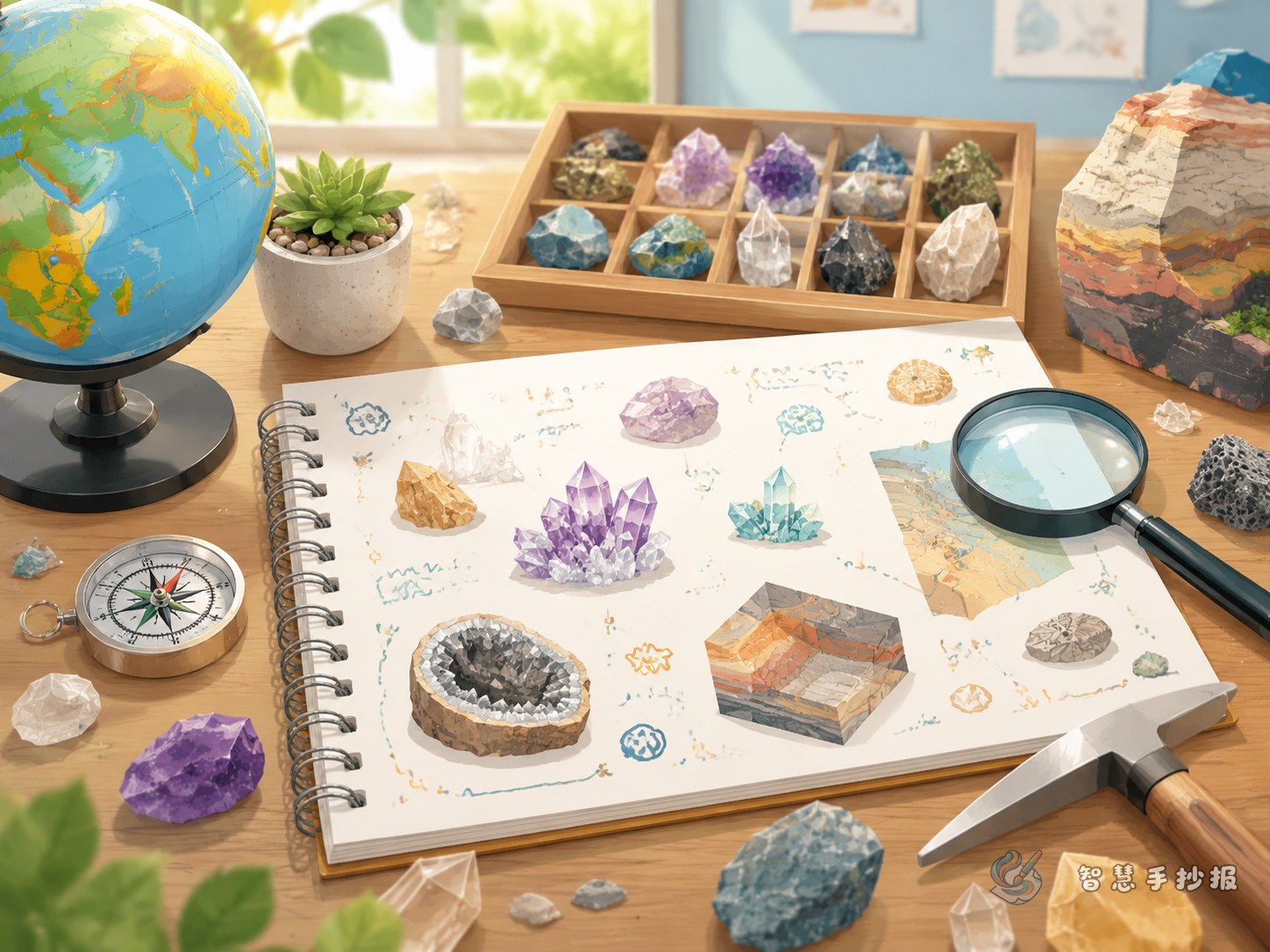
- Add small drawings like magnifying glasses, fossils, tools, or earth layers.
- Choose natural colors such as brown, gray, sand yellow, and light blue.
A simple interactive section for extra points
My stone observation
Students can write: What color is the stone? Is it smooth or rough? Does it have stripes or grains? What mineral might it contain? This makes the work more lively and personal.
Quick true-or-false corner
- Are all shiny stones gemstones? Not always.
- Is every rock made of only one material? Not always.
- Are many everyday materials related to minerals? Yes.
This kind of mini quiz works well near the edge of the page and adds reading interest.
Final tips before finishing
Try not to fill the whole page with long paragraphs. Keep each section short, add clear subheadings, and use simple drawings to balance the page. Before finishing, check three things: Is the topic clear? Is the language easy to understand? Does the layout have enough open space?
If your content is ready but you want a cleaner title style, better section arrangement, or a more polished page, you can continue in the Smart Handwritten Newspaper WeChat mini program.