Choose a clear theme: show how book materials changed
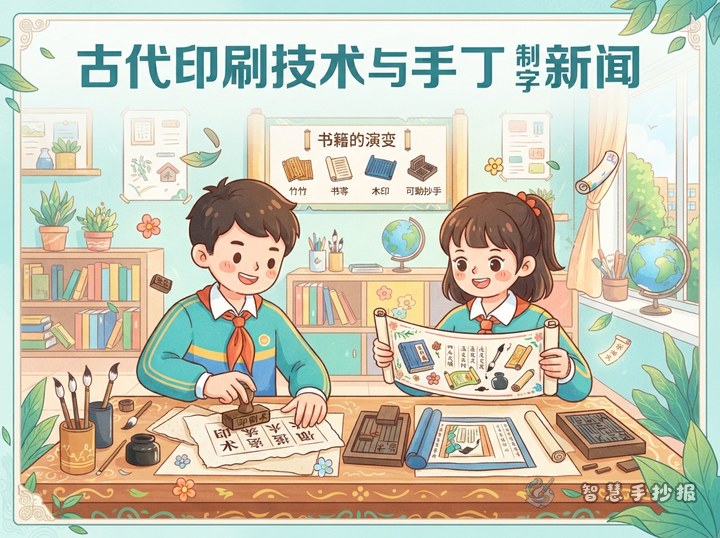
This handwritten newspaper works best as a story about how ancient writing materials evolved, moving from bamboo slips to silk manuscripts, then to paper and printed pages. It helps readers see how books became lighter, easier to copy, and easier to read.
A good title could be “From Bamboo Slips to Paper: How Did Book Pages Change?” with a subtitle such as “Ancient Printing and Book Evolution Handwritten Newspaper”. That makes the topic easy to understand and easy to search.
- Best for: primary school students, parents, and teachers
- Main focus: writing materials, page forms, and reading changes
- Visual idea: a left-to-right “book growth line”
Use a material timeline to organize the page
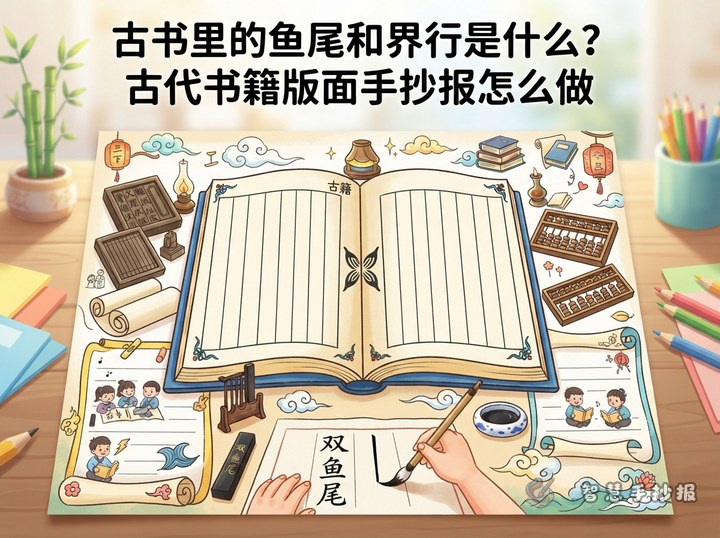
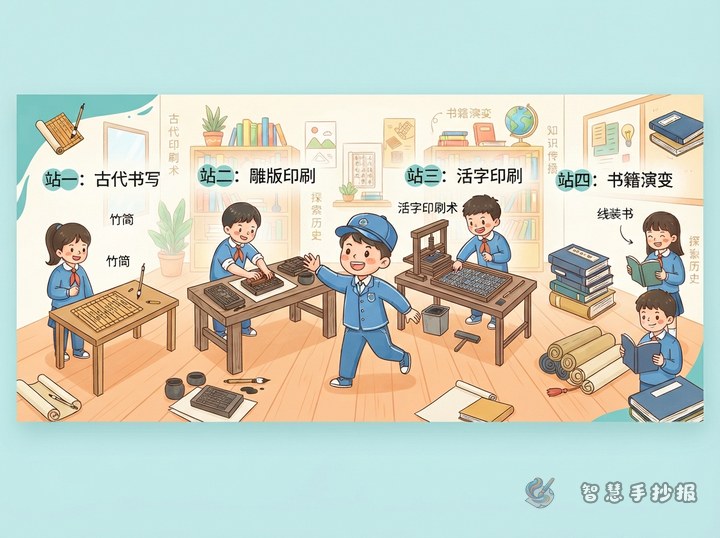
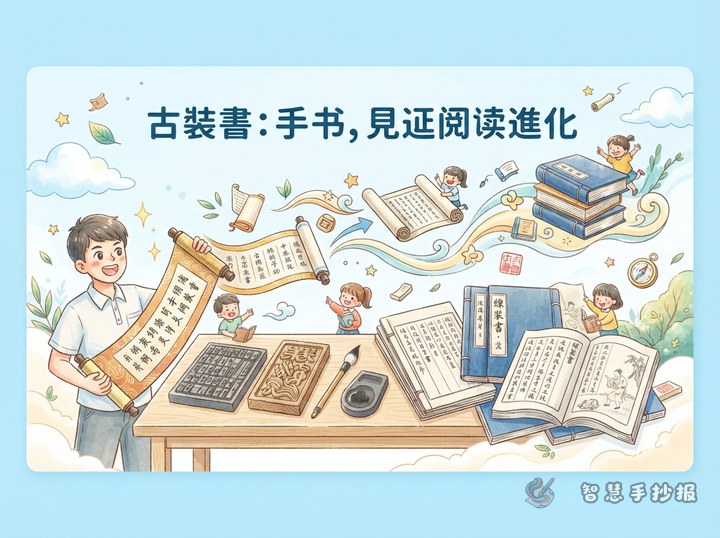
A neat way to design the layout is to draw a winding timeline through the center of the page. Place four key stages on it: bamboo slips, silk manuscripts, paper, and printed pages. Add a short sentence beside each stage so the whole page tells a complete story.
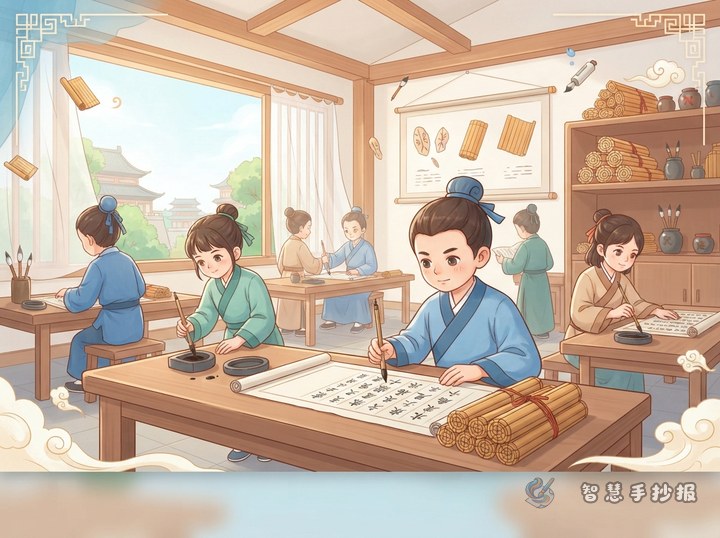
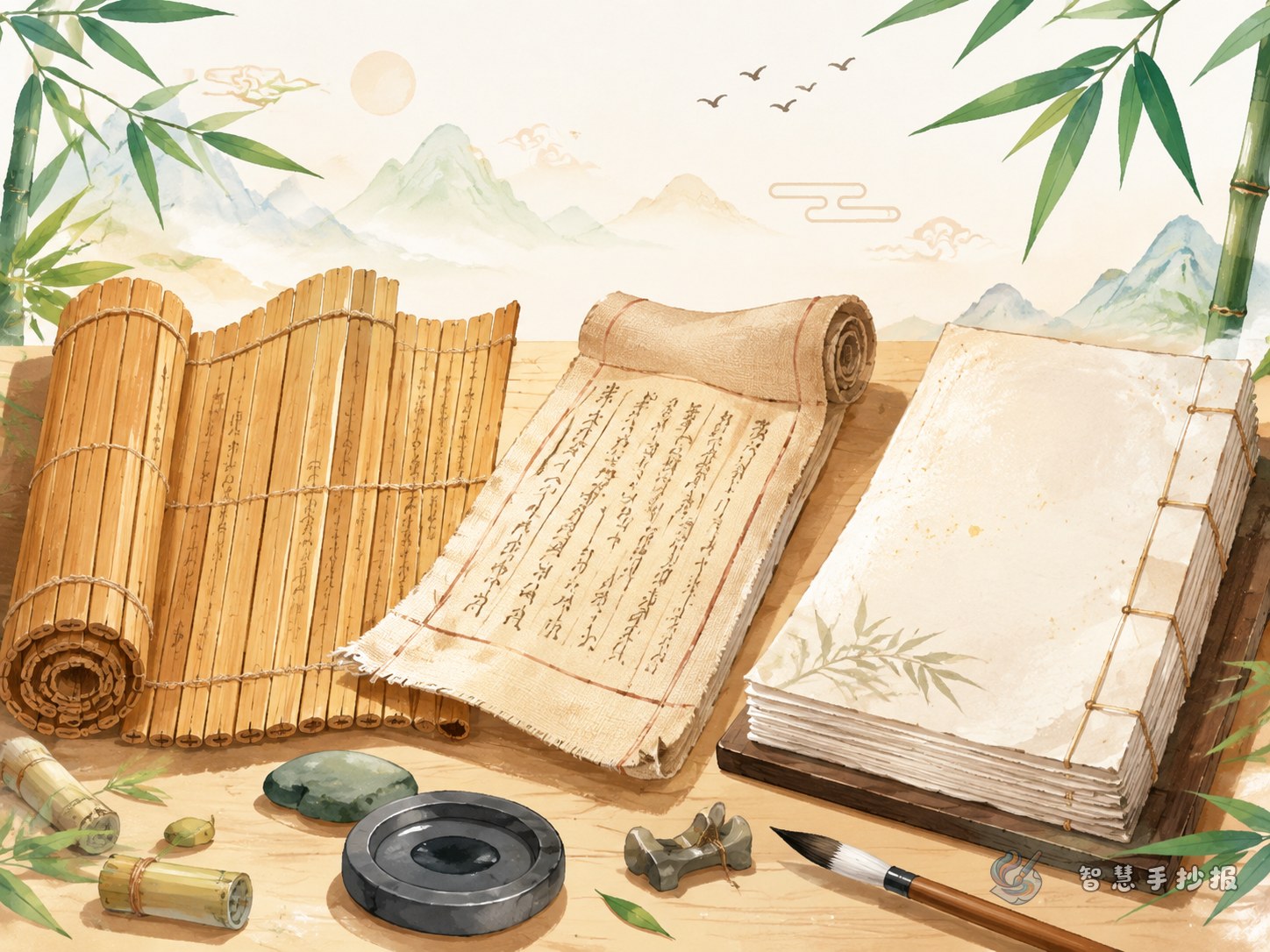
- Bamboo slips: early texts were written on narrow bamboo pieces tied together with cord.
- Silk manuscripts: lighter and easier to carry, but expensive to produce.
- Paper: much lighter and easier to write on, helping books spread faster.
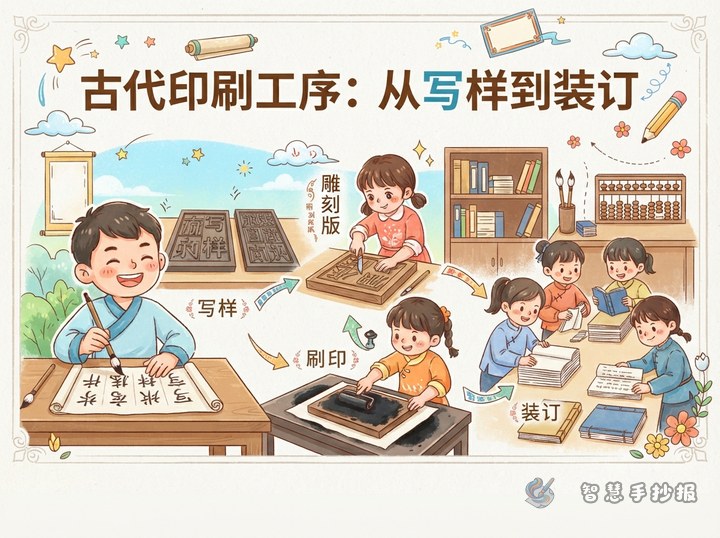
- Printed pages: block printing and movable type made copying books much quicker.
This timeline works well in the center or lower half of the page because it connects the whole topic without making the layout feel crowded.
Ready-to-use fact cards for your handwritten newspaper
To avoid empty spaces, turn each key point into a small fact card. Keep the title short and the text simple, so it feels friendly and easy to read.
- Bamboo slips: Ancient people wrote characters on bamboo strips and tied them together like a book.
- Silk manuscripts: They were easier to carry, but the material was costly.
- Paper: Paper made writing and copying much easier, helping knowledge spread wider.
- Printing: Block printing worked like carving a page once and printing many copies from it.
If you want the page to look more complete, you can add a simple line for each card showing its advantage and limitation.
Add small decorative elements beyond books
You do not need to draw only books. Adding a few ancient-style details will make the page richer and more interesting.
- Bamboo slips: draw long narrow strips tied with red or brown cord.
- Scrolls: use rolled paper to show an early book form.
- Bound books: show the shift from scrolls to stitched books.
- Small seals or woodblock patterns: hint at printing technology.
For colors, try beige, light brown, ink black, and soft blue. These shades create a classical feeling without making the page too dark. Use red or deep brown for the title so it stands out clearly.
Finish with a short summary that feels complete
The closing section can be very short but should tie everything together. For example: From bamboo slips to paper, and from handwriting to printing, books became lighter and knowledge became easier to share. That line works well in the bottom corner of the page.
You can also add a small question like, “Which ancient book form do you want to see most?” It makes the page feel lively and inviting. If you want more layout ideas, you can continue creating in the Wisdom Handwritten Newspaper mini program.