Choose One Clear Friendship Idea First
The most common mistake is filling the whole page with lines like “friends are important” and “we should be united.” It looks busy but leaves nothing in the reader's mind. Before drawing, choose one main idea, for example “how to become good friends with classmates” or “how to make up after a quarrel.”
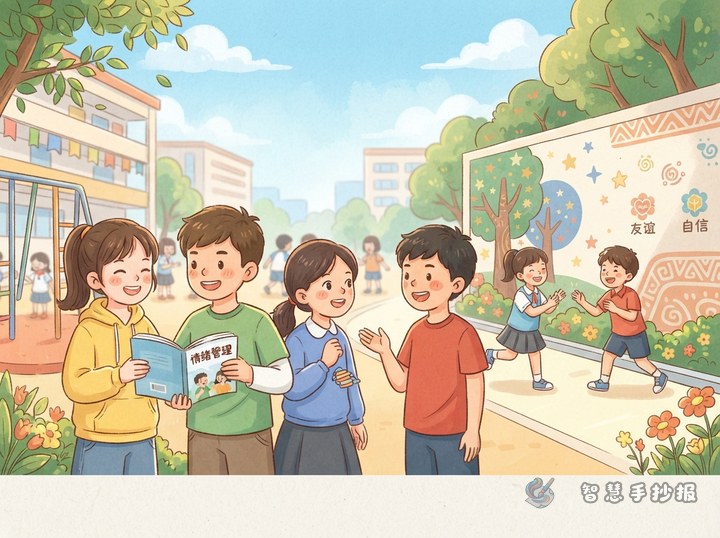
If your teacher only gives the broad topic of getting along with others, narrow it into three small questions: how to meet a new classmate, how to play together without arguing, and what to say when a classmate feels sad.
Six Friendly Actions You Can Copy Onto the Page
Turn big ideas into small actions a student can do any day. The writing becomes concrete and much easier to illustrate.
- Say hello first: a simple “good morning” is easier than waiting for the other person to speak.
- Remember names: using a name sounds friendlier than shouting “hey.”
- Take turns: in games, on the slide and when answering, everyone waits for their turn.
- Listen to the end: do not interrupt or rush to argue back.
- Say thank you: when someone lends an eraser or picks up your notebook.
- Apologize when you are wrong: a short “sorry, that was my fault” often clears the air quickly.
Layout: Let One Friendship Tree Hold the Page Together
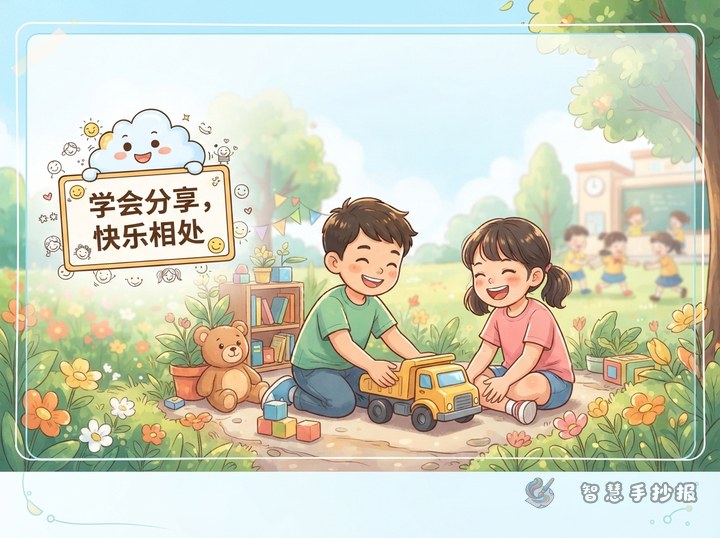
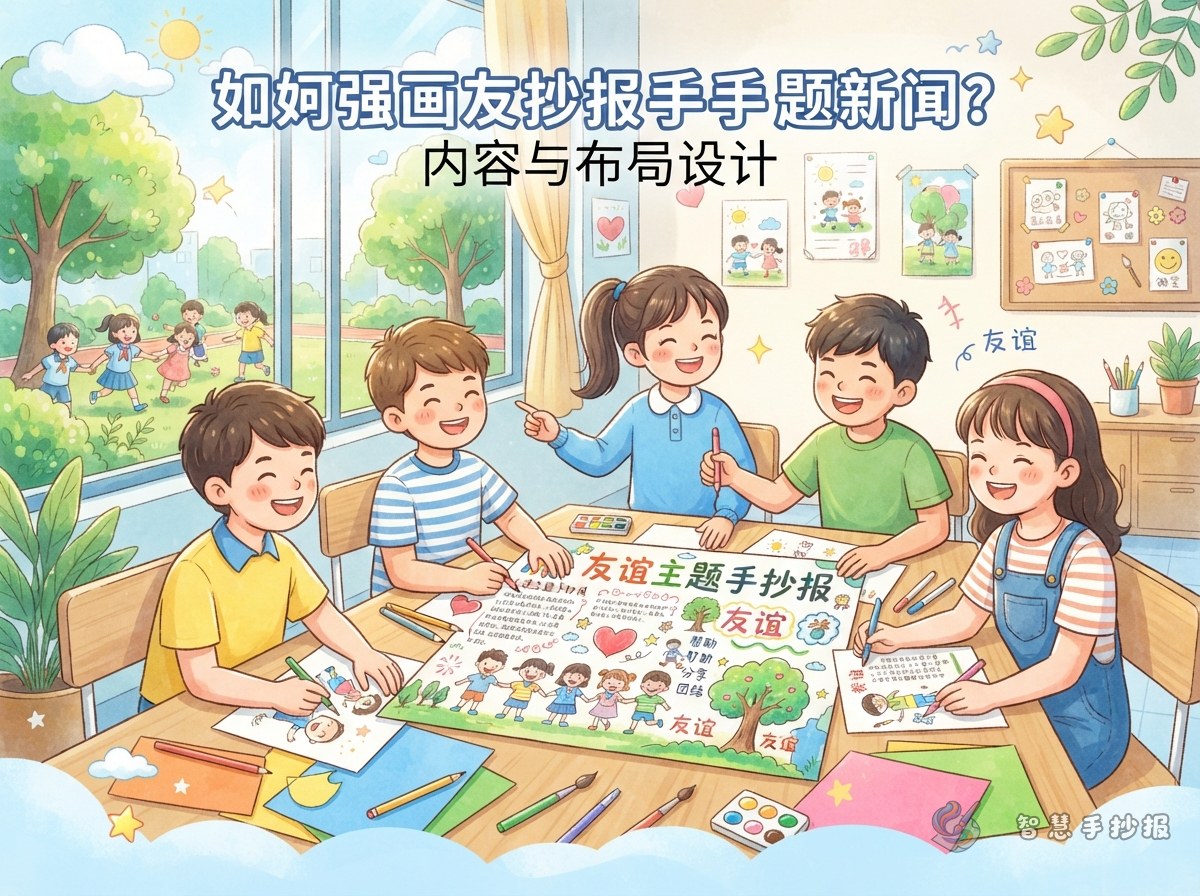
Younger students can draw a large tree, write “Friendship Tree” in the crown and place the six friendly actions inside the leaves. Older students can use a big central title with text boxes around it.
Block 1: The friendship tree or bridge
Draw a tree or a small bridge and write the friendly actions on leaves or planks. Let the picture take about half the space and keep the text short.
Block 2: Our friendship promise
Write four to six short rules, such as “we do not laugh at a wrong answer,” “we stay calm when we lose,” and “we help each other when something is hard.” Add dots or check marks in front of each line.
Block 3: One sentence for a classmate
Leave a small box or paper envelope for the sentence you most want to say to your deskmate or best friend. This block gives the whole page a personal touch.
Sentences You Can Borrow
- A good friend is someone who lets you finish your sentence.
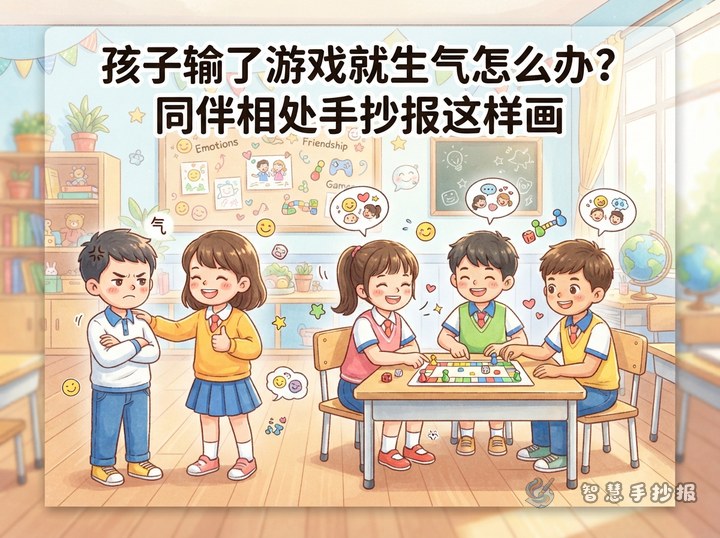
- When we play together, having fun matters more than winning.
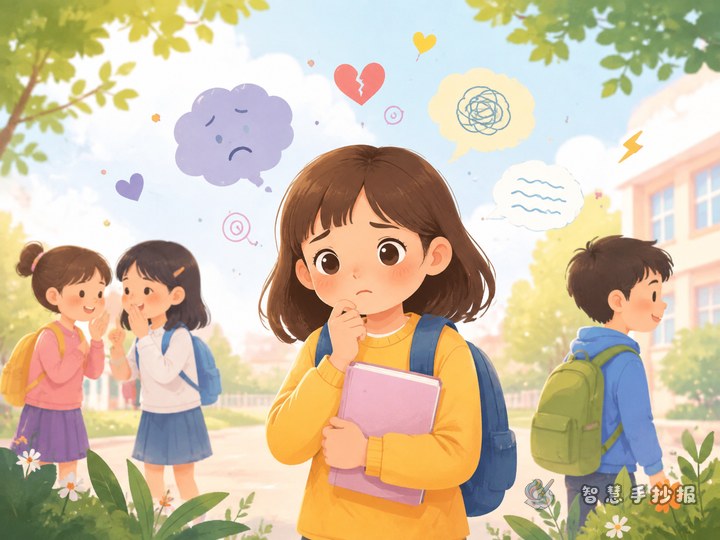
- When someone is sad, “I am here with you” works better than a long lecture.
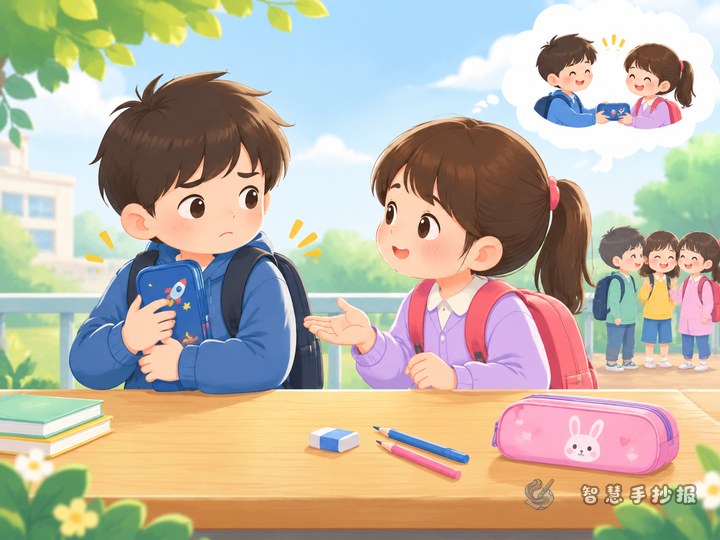
- It is fine to share, and it is fine to say no; saying no does not end a friendship.
- After a quarrel, the person who speaks first is the brave one.
Color, Lettering and Border Tips
Friendship pages look best in bright, gentle colors: pale yellow, sky blue, grass green and orange. Choose three or four main colors instead of using every pencil you own. Sketch the title in pencil, then outline it in a darker color, keeping the letters square and filling the grid.
Borders can be simple: a row of grass, stars, hearts or small circles. Lightly rule pencil lines before writing so the letters and line spacing stay even, and remember that empty space is part of the design too.
Before You Start
Make a quick outline before drawing any lines; it saves a lot of time. If you want more sections and nicer title letters, open the WeChat mini program and search for “智慧手抄报” to pick a friendship or peer relationship template, then fill in the sentences you wrote today and adjust the colors and small icons to suit your own page.