Give the poster a hidden-water story
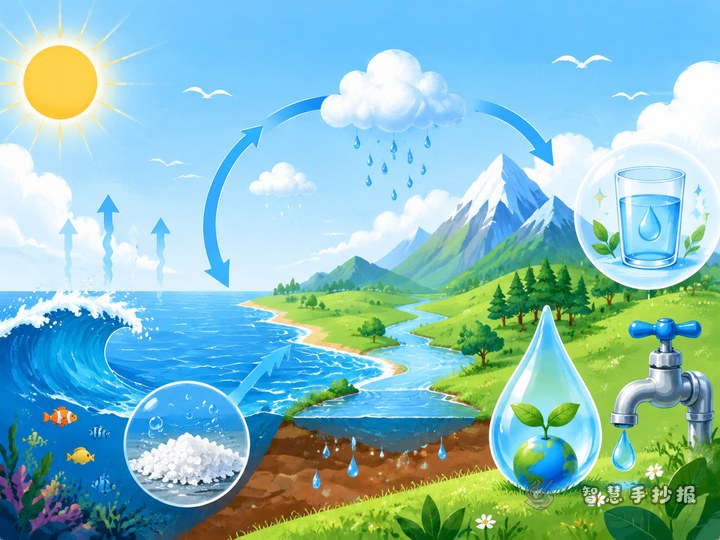
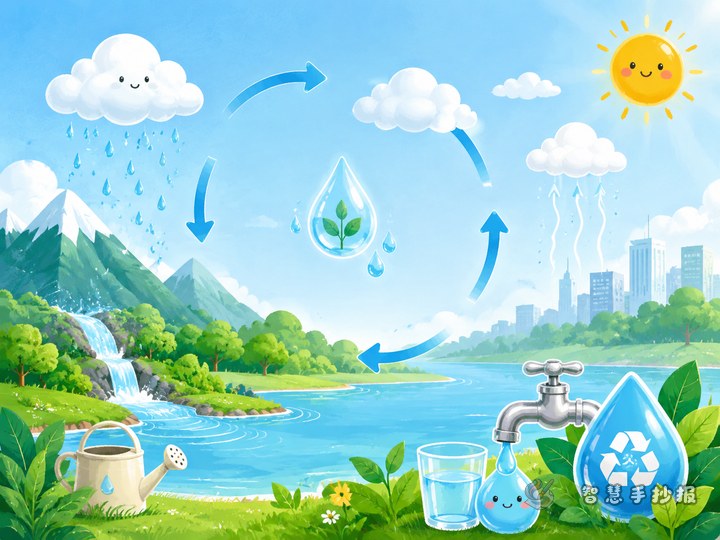
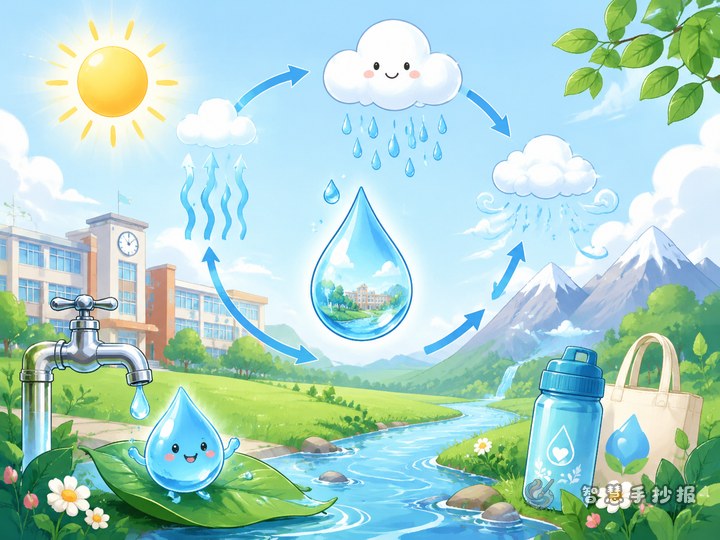
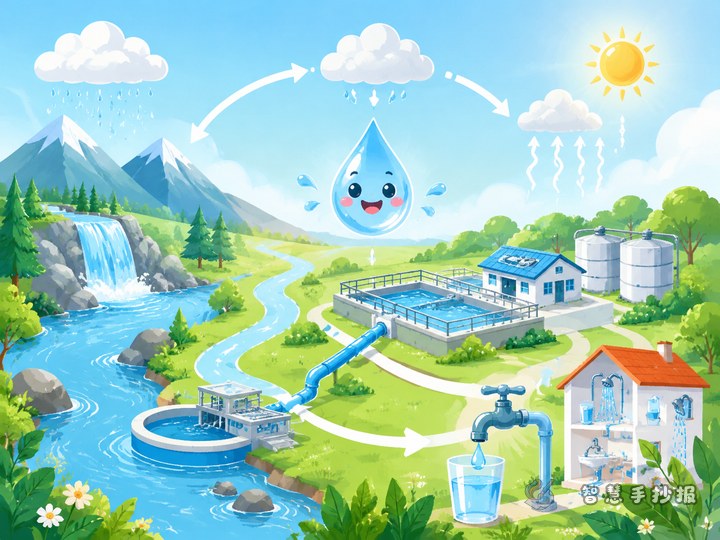
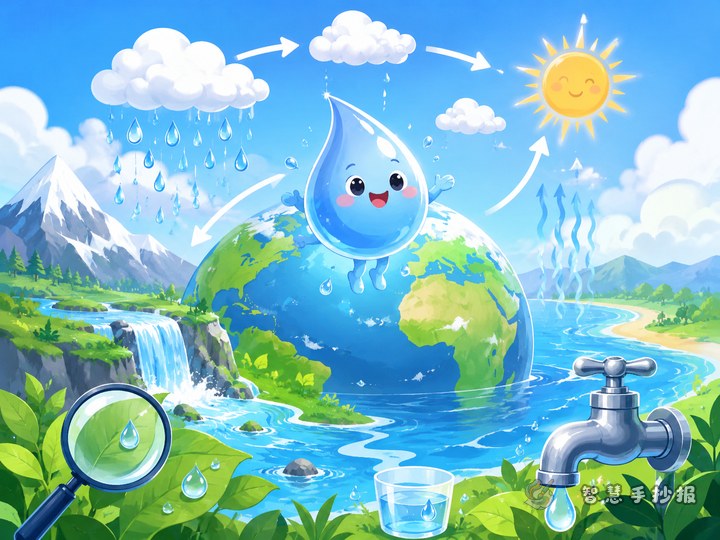
Groundwater is stored in the spaces and cracks within soil and rock. It is easy to overlook because it cannot usually be seen, yet it connects with wells, springs, rivers, wetlands, and plant growth. Make one raindrop the main character and show how it sinks into the ground, joins groundwater, and later takes part in the water cycle again.
Suggested message: Hidden underground water is an important stop in Earth’s water cycle.
Draw a soil cross-section as the main picture
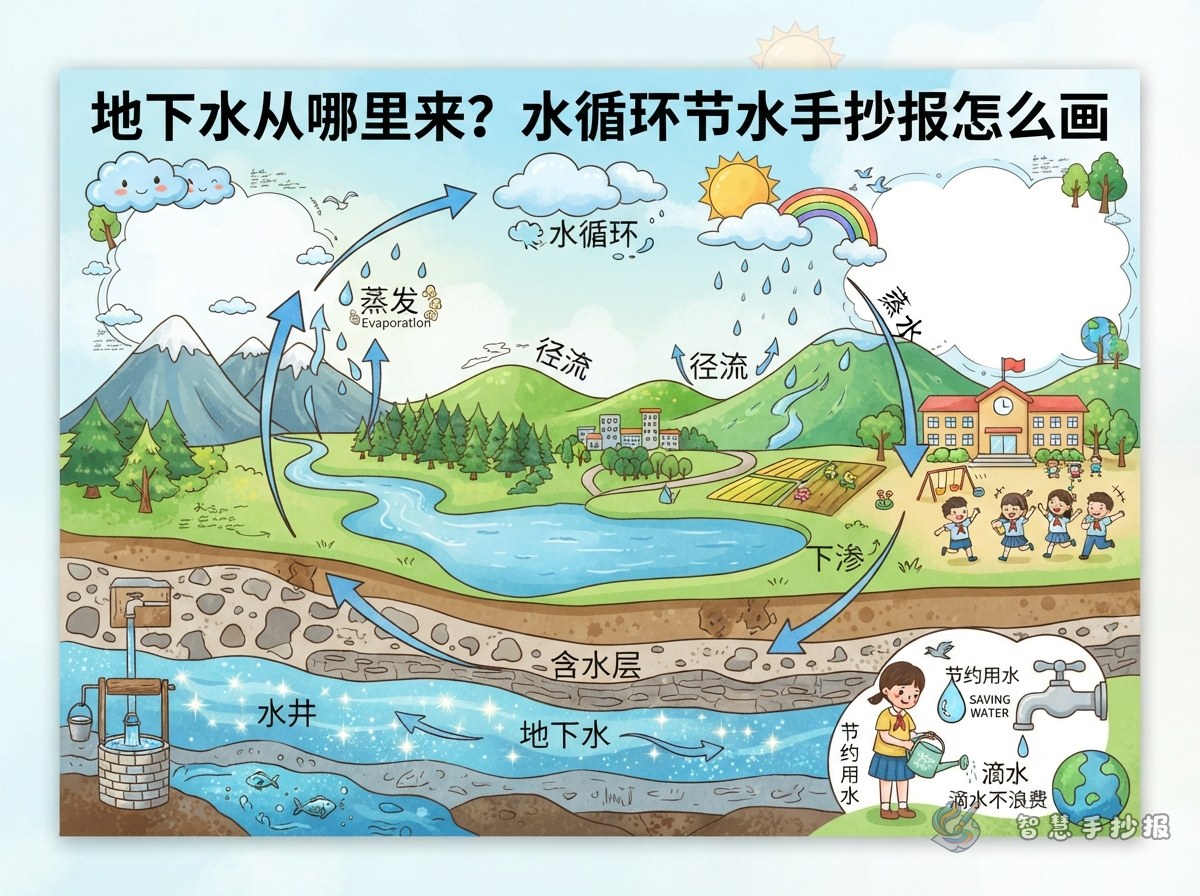
A large cross-section from the sky to the underground can make the idea easy to understand. Draw clouds, sunlight, and raindrops above the ground. In the middle, add grass, trees, and layers of soil. Below them, show gravel, rock, and a blue area labeled groundwater.
- Use blue arrows to show rain reaching the ground. Some water flows across the surface, while some slowly sinks into the soil.
- Label the blue underground area as groundwater and add a well or spring nearby.
- Connect plant roots, a spring, and a river with thin arrows to show links between groundwater and nature.
- Add four small labels around the picture: recharge, storage, movement, and responsible use.
Short notes to place beside the arrows
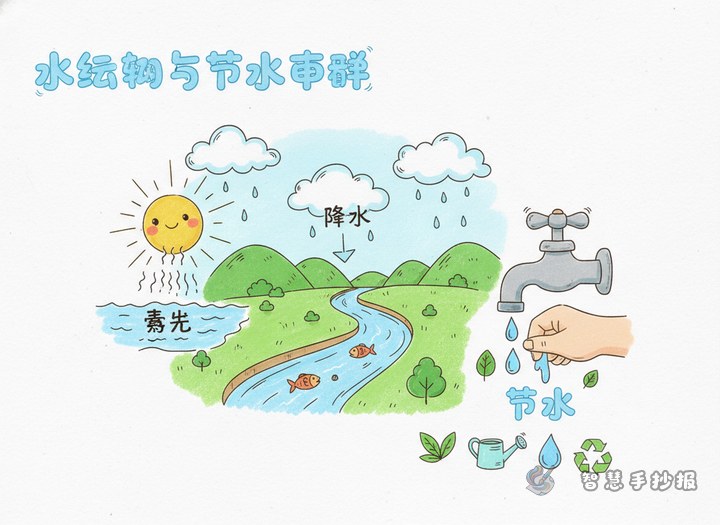
- Precipitation: Rain and snow add water to the water cycle.
- Infiltration: Some water passes through spaces in the soil and enters the ground.
- Storage: Groundwater can remain in pores and cracks in soil and rock.
- Movement: Groundwater travels slowly and may feed springs, rivers, or wetlands.
Turn the facts into three clear panels
Panel one: Where does groundwater come from?
You can write: After rain or snow, some water runs across the surface and some sinks through soil and rock. Through natural storage and slow movement, it becomes part of the groundwater supply. Not all rain enters the ground; soil, plants, and the condition of the surface affect where the water goes.
Panel two: Why protect water we cannot see?
Groundwater is often replenished slowly. If people take too much or allow it to become polluted, recovery may take a long time. Protecting groundwater means using less water, keeping waste and dirty water out of the soil, and never dumping harmful substances near a water source.
Panel three: My water-protection actions
- Turn off the tap tightly after washing hands.
- Use a basin when washing objects instead of letting water run continuously.
- Tell an adult or teacher when a tap or pipe leaks.
- Never pour oil, medicine, or other harmful liquids onto the ground or into drains.
- Take care of trees and grass so rain can slowly soak into the soil.
Add a raindrop diary for a memorable finish
“I am a raindrop. I landed on grass and did not disappear. Some of my companions flowed across the ground into a stream, while I passed through soft soil and reached tiny spaces underground. Perhaps one day I will become part of a spring. For this journey to continue, people need to save water and protect clean soil and water sources.”
Place this diary below the cross-section as the closing text. If space is limited, divide it into three short sentences and place them beside the precipitation, infiltration, and protection icons.
Use color to guide the water’s journey
- Use light blue for the sky, darker blue for groundwater, brown or orange for soil, and clear layers for the underground section.
- Shape the title like a water drop or a ripple, and decorate the border with drops, leaves, wells, or small plants.
- Draw the central picture first, then arrange the three panels, and write the text last so the page does not become crowded.
- Check that every arrow has a clear beginning and ending, and make sure the actions cover both saving water and preventing pollution.
Once the sections and colors are decided, continue arranging the page in the 智慧手抄报 WeChat mini program to finish the groundwater poster more smoothly.