Begin with a Simple Question
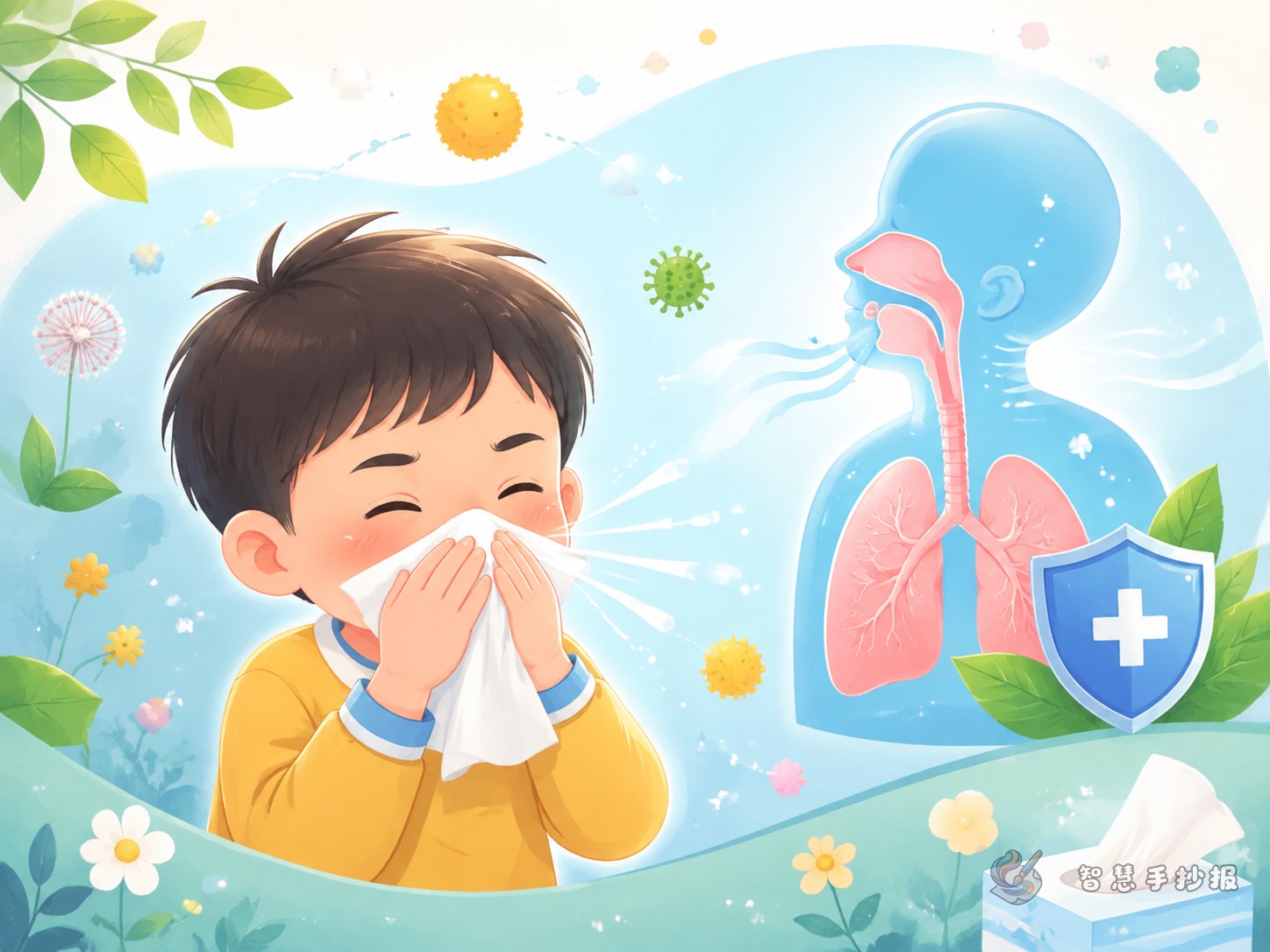
This poster can focus on the question of why people sneeze, turning an everyday action into an interesting lesson about respiratory protection. Place the title in the top center and draw a child sneezing beside floating dust particles to make the topic clear at a glance.
A suitable opening sentence is: A sneeze is not troublemaking on purpose; it is a reminder from the body when the nose senses irritation. Dust, pollen, cold air, or strong smells may make the nose feel uncomfortable.
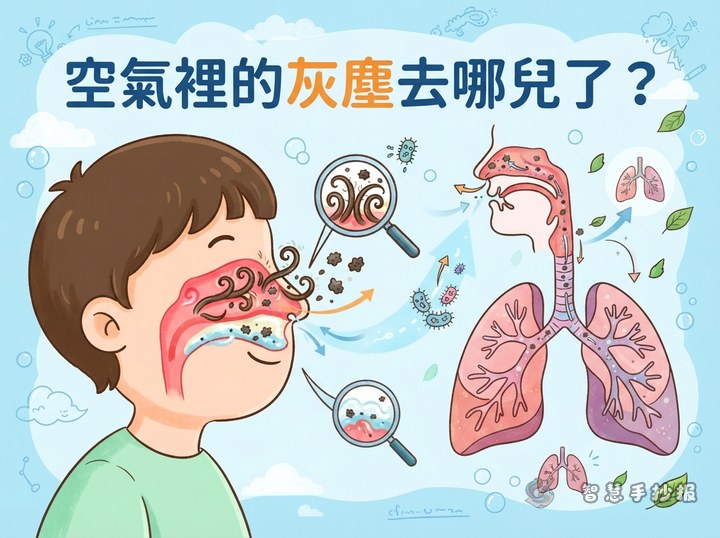
Draw the Nose as a Small Protective Station
Three Helpers Inside the Nose
- Nasal hairs: They help catch larger dust particles and bits of debris.
- Mucus: It can trap some tiny particles and help keep the inside of the nose moist.
- The nasal lining: It helps make inhaled air warmer and more humid.
Turn these facts into a small diagram called the nose protection station. Show an entrance, a mucus area, and an air passage to explain what happens as air moves through the nose. Use careful wording such as helps or can, rather than saying that the nose blocks every germ.
How Does a Sneeze Happen?
- Dust, pollen, or cold air irritates the nose.
- Sensory areas in the nose send a signal to the brain.
- The body quickly coordinates its breathing muscles and creates a sneeze.
- The sneeze helps expel some irritating material.
Connect four circles with curved arrows and add small icons for dust, the nose, the brain, and a tissue. This gives the poster clear science content in a form that younger students can follow.
Health Reminders Worth Adding
- Cover the nose and mouth with a tissue when sneezing or coughing. If there is no tissue, use the inside of the elbow.
- Throw used tissues into a bin and wash your hands carefully.
- Do not sneeze directly toward another person, and avoid touching other people’s noses or mouths.
- Keep classrooms and homes reasonably ventilated, and rest and stay warm when the weather changes.
- If congestion, coughing, fever, or other discomfort continues, tell a parent or guardian and seek medical care when needed.
These ideas can become a memorable four-step reminder: cover, turn away, throw away, and wash. Short phrases are easier to read on a school poster than long paragraphs.
Make the Layout Feel Like a Nose Adventure
Try a layout with the explanation on the left, actions on the right, and a process diagram in the center. Put the main title at the top, use a curved route in the middle to show air moving through the nose, place a nose protection fact card in the lower left, and add a healthy habits checklist in the lower right.
Light blue, green, and warm yellow work well together. Blue can suggest fresh air, green can represent healthy habits, and yellow can highlight the sneeze reminder. Tissue, mask, leaf, and bubble shapes make friendly borders, but leave enough open space so the decorations do not cover the words.
Three Final Checks
- Is the topic immediately clear? Can readers tell that the poster explains sneezing and respiratory protection?
- Are the facts short and accurate? Do the arrows show the process in the right order?
- Are the health suggestions practical? Is there enough space between the drawings, headings, and text?
For more help with sections, colors, and page arrangement, open the WeChat Mini Program Smart Handwritten Newspaper and explore additional poster-making ideas before finishing your own respiratory health project.