Start with an Emotion Thermometer
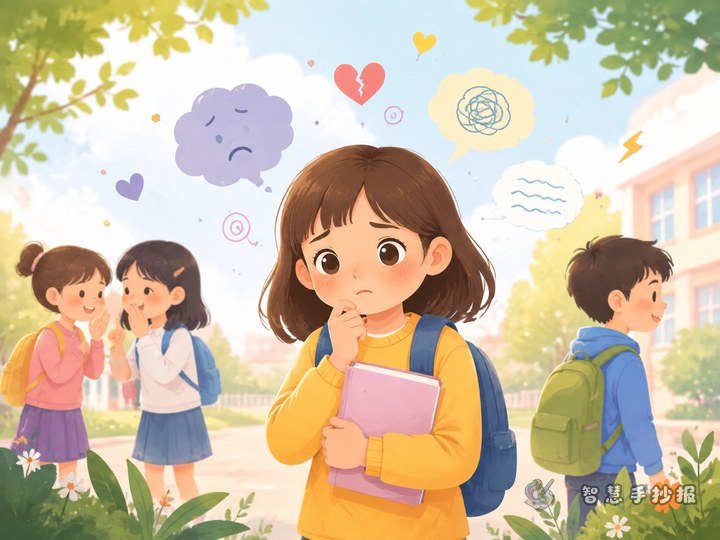
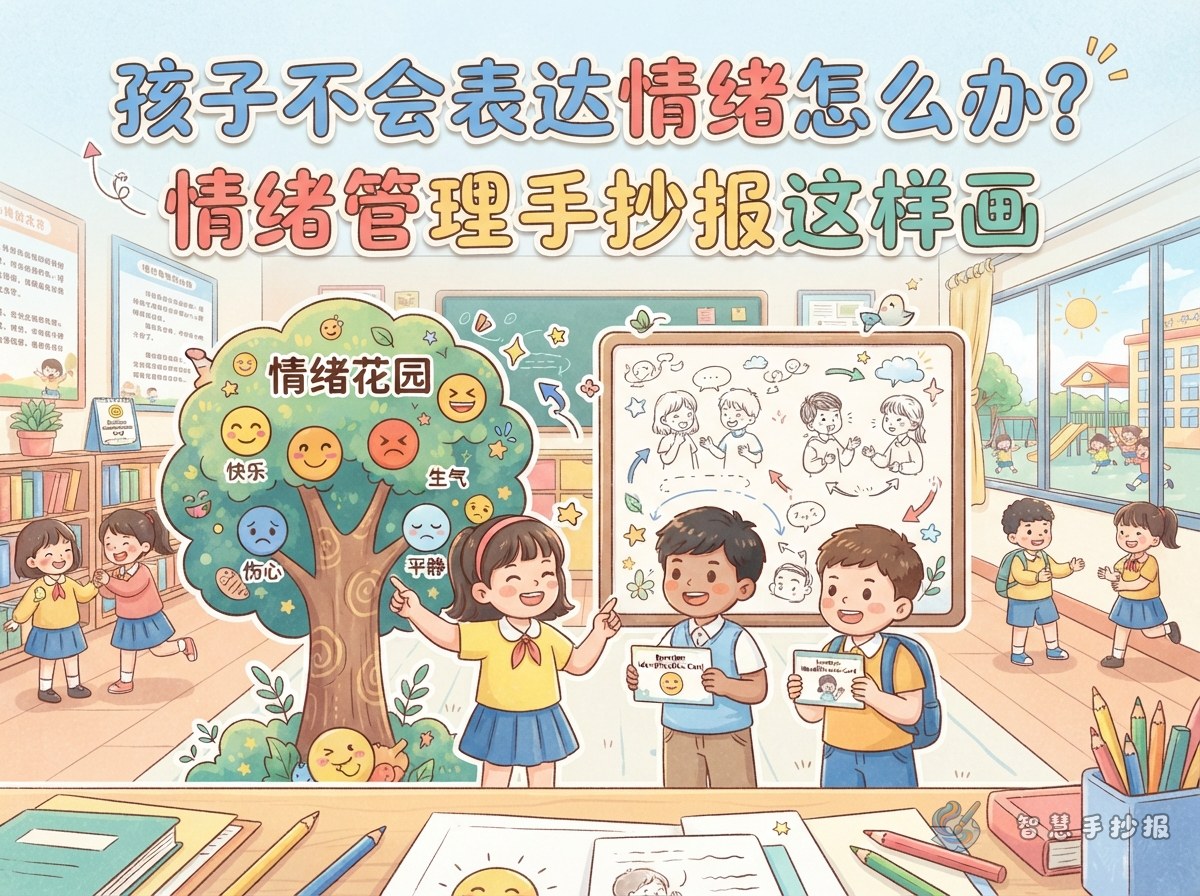
Build the poster around the idea “I can notice my feelings and get along kindly with classmates.” Draw an emotion thermometer or a circle of colorful faces in the center. Use different colors for happiness, nervousness, sadness, anger, fear, and excitement. Add the sentence: Feelings are not good or bad; understanding them helps us take care of ourselves.
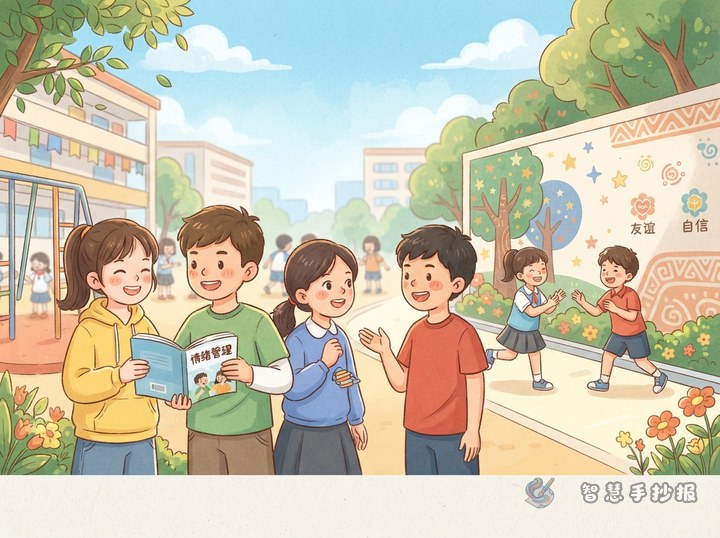
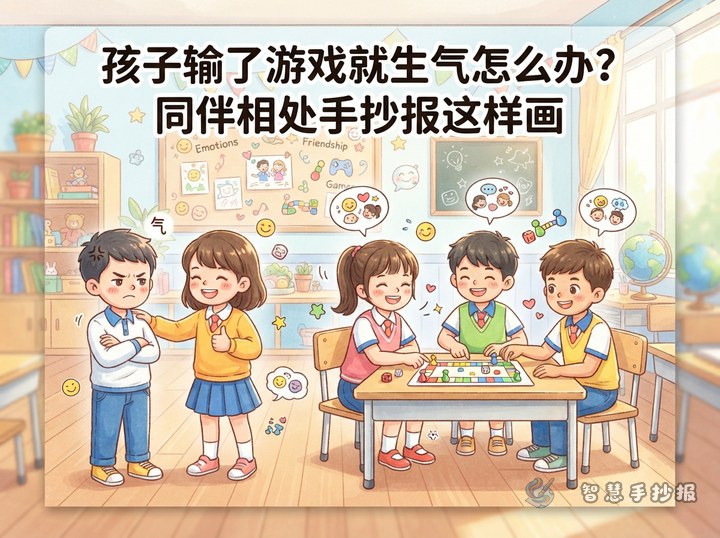
Rather than focusing only on arguments between classmates, this poster highlights three steps: recognizing feelings, expressing them clearly, and treating peers with care.
Turn Feelings into Clear Poster Sections
- My Feeling Colors: Use yellow for happiness, blue for sadness, red for anger, and purple for nervousness. Children may also choose their own colors.
- Body Signals: Include signs such as a fast heartbeat, a frown, sweaty palms, or wanting to hide.
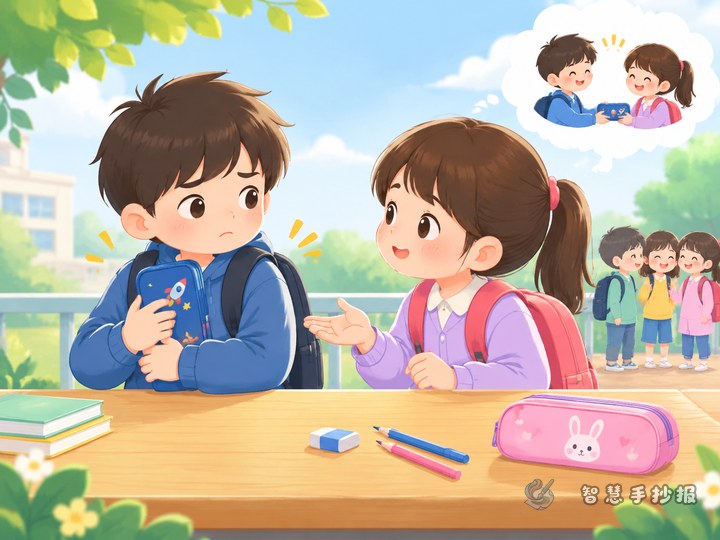
- Words I Can Use: Show the sentence pattern “I feel... because... I hope...” For example: “I feel worried because it is not my turn yet. I hope we can take turns.”
- Kind Classmate Rules: Listen carefully, do not make fun of others, take turns, ask before borrowing, and seek help when needed.
Short Messages Worth Copying
Create a small box called “Three Sentences for Myself”: Pause first, then think; name your feeling instead of shouting; respect others and protect yourself. Another useful chant is: “Look at my feeling, think about its cause, say what I need, and choose a kind action.”
For the peer section, write: “Everyone has different feelings. Share happiness with friends and stay patient when someone feels sad. When opinions differ, listen first and then explain your own idea.” These short messages are easy for elementary students to understand and copy.
Add an Emotion Traffic Light
Use a red, yellow, and green traffic light in the lower-right corner as the poster’s memorable feature. Red means stop and take three slow breaths. Yellow means notice the feeling and think about what happened. Green means act with clear and polite words. Draw two children beside it: one speaking calmly and one listening carefully.
Questions beside the traffic light
- What am I feeling right now?
- Could I have misunderstood the other person?
- Can I explain my feeling calmly?
- Who can help if I cannot solve it alone?
Layout and Color Suggestions
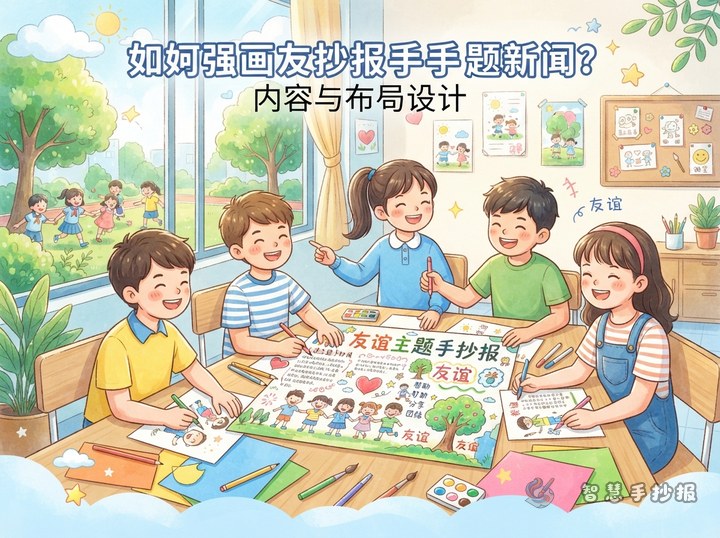
Choose light blue, soft yellow, coral orange, and fresh green as the main colors. Leave enough white space so the words remain easy to read. Place the title at the top, the emotion thermometer in the center, feeling signs on the left, expression sentences and classmate rules on the right, and the traffic light at the bottom. Sketch the boxes in pencil first, then add words and drawings, and finally outline the key phrases with colored pencils.
For help organizing sections, adjusting the layout, and continuing the design, open the 智慧手抄报 WeChat Mini Program and customize a suitable children’s emotions template.