Turn One Breath into a Journey
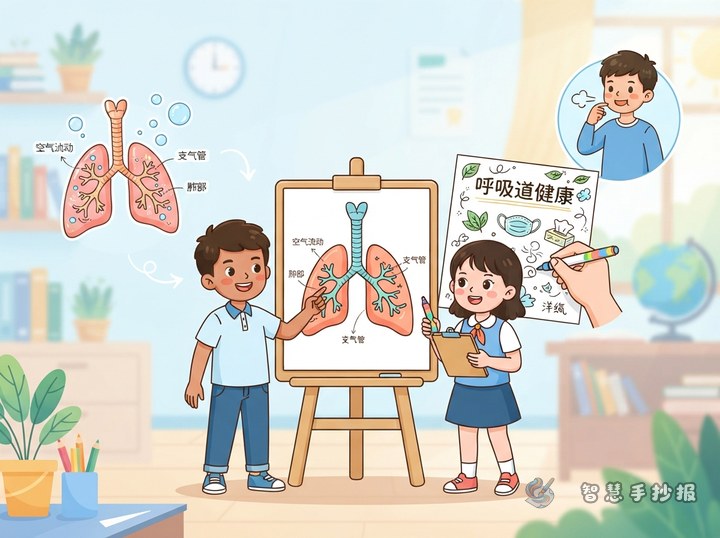
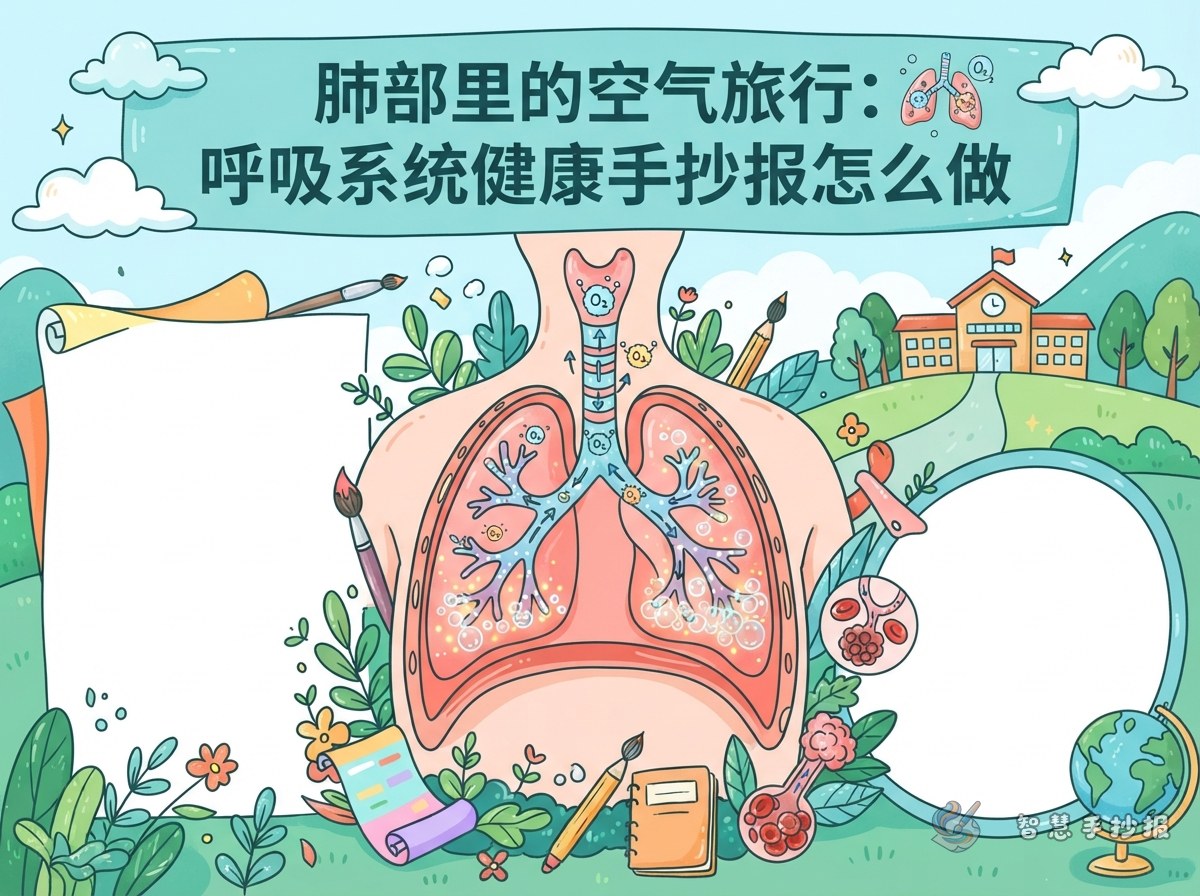
This handout can explain the respiratory system as an “air journey map.” Air enters through the nose or mouth, passes through the throat, larynx, trachea, and bronchi, and finally reaches the lungs. The alveoli are tiny air sacs that help the body take in oxygen and remove carbon dioxide. A route map is more visual and easier for classmates to understand than long paragraphs.
Draw a bright pair of lungs in the center and use arrows to show the direction of airflow. Place the title above the lungs or at the top of the page. Blue, green, and orange can suggest fresh air, health, and sunshine.
Four Sections to Explain Breathing
1. Where Does Air Enter?
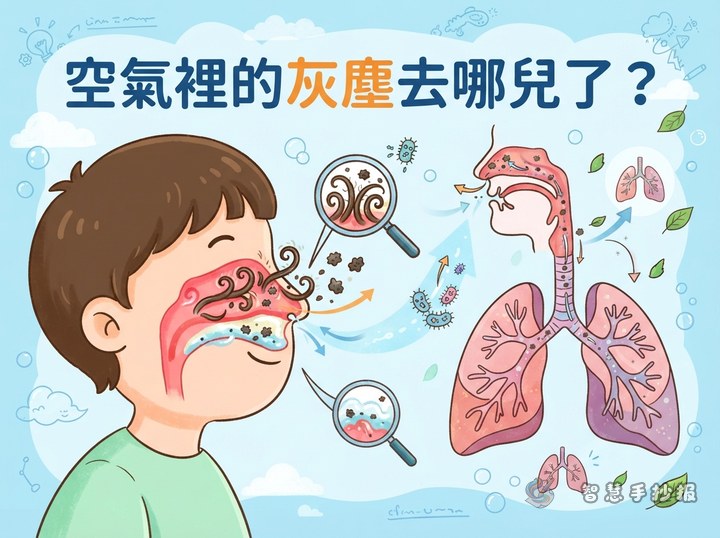
Hairs and mucus in the nasal cavity can trap some dust. The nose also warms and moistens the air, so breathing through the nose is generally more suitable than breathing through the mouth.
2. Which Path Does Air Follow?
Air moves through the throat, larynx, trachea, and bronchi. The bronchi branch like the limbs of a tree into many smaller passages and carry air toward the alveoli.
3. What Do the Alveoli Do?
Many tiny blood vessels surround the alveoli. Oxygen moves into the blood, while carbon dioxide moves from the blood into the alveoli and leaves the body when we exhale. This is an excellent point to show in an enlarged diagram.
4. How Are Inhaling and Exhaling Different?
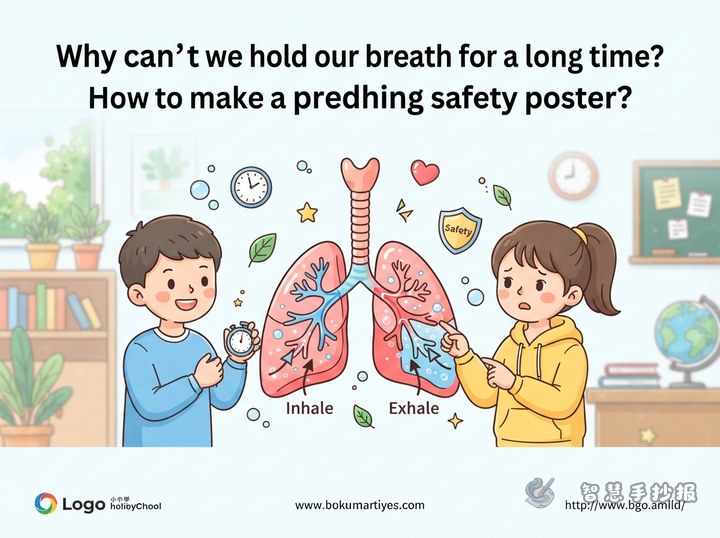
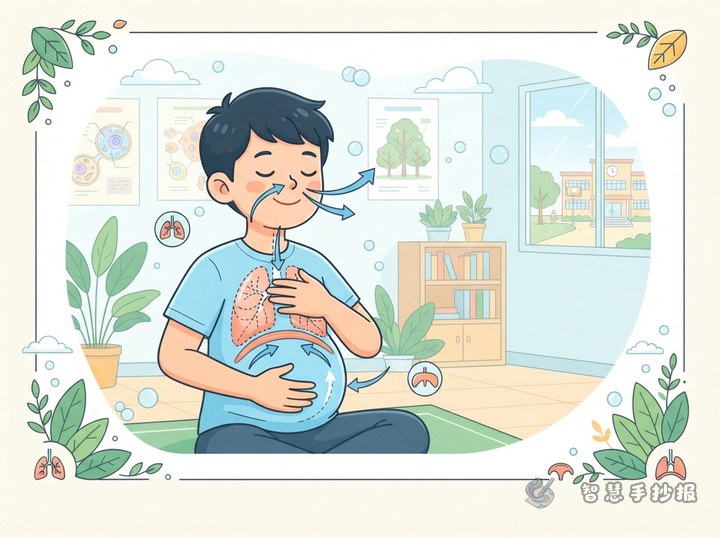
When we inhale, the chest expands and air enters the lungs. When we exhale, the chest returns to a more relaxed position and air leaves the lungs. Two small figures or speech bubbles can show “oxygen in” and “carbon dioxide out.”
A Lung-Friendly Checklist
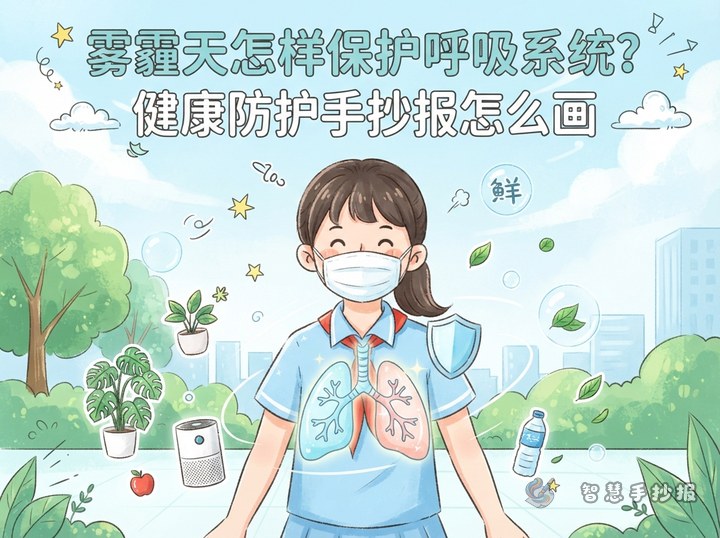
- Let fresh air in: When conditions allow, keep indoor spaces well ventilated.
- Avoid smoke and dust: Stay away from smoky places and use suitable protection around dust.
- Keep moving: Choose activities such as walking or skipping rope, and remember to warm up and rest.
- Practice cough etiquette: Cover coughs and sneezes with a tissue or your elbow, then wash your hands.
- Tell an adult when you feel unwell: Persistent coughing or trouble breathing should be reported to a parent or guardian, followed by medical advice when needed.
These tips work well as a checklist with small boxes to tick, but the handout should not be presented as a tool for diagnosing illness.
Make the Page Look Like a Breathing Map
Divide the page into four areas: “entry,” “transport,” “exchange,” and “protection.” Draw the nasal entrance in the upper left, the branching airway in the center, an enlarged alveolus on the right, and the health checklist along the bottom. Connect the areas with continuous arrows so readers can follow the path of air.
Simple decorations such as clouds, leaves, bubbles, and small pinwheels are enough. Leave some open space around the lungs, write in short sentences, and keep each section to a few lines. After planning the content, you can open the “智慧手抄报” WeChat mini program to choose a layout, organize the sections, and continue making your own handout.