Start with a simple angle students can understand
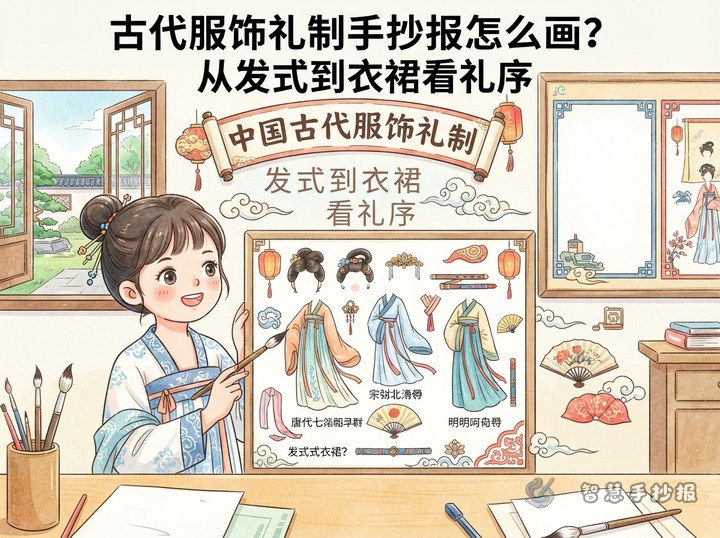
For a handwritten newspaper about ancient Chinese clothing and ritual rules, the easiest angle is this: clothing was not only about beauty, but also about identity, occasion, and proper manners. This helps students present cultural knowledge clearly without turning the page into a difficult history essay.
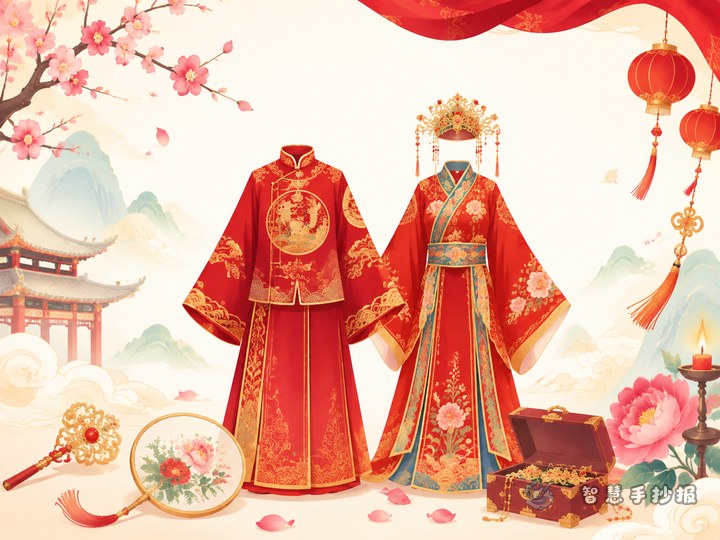
You can open with a short introduction explaining that in ancient China, clothing was closely connected with ceremonies, daily life, festivals, weddings, and formal events. Different colors, patterns, hats, and styles of dress often showed respect, order, and social roles.
Useful sections to include on the poster
1. Clothing and social identity
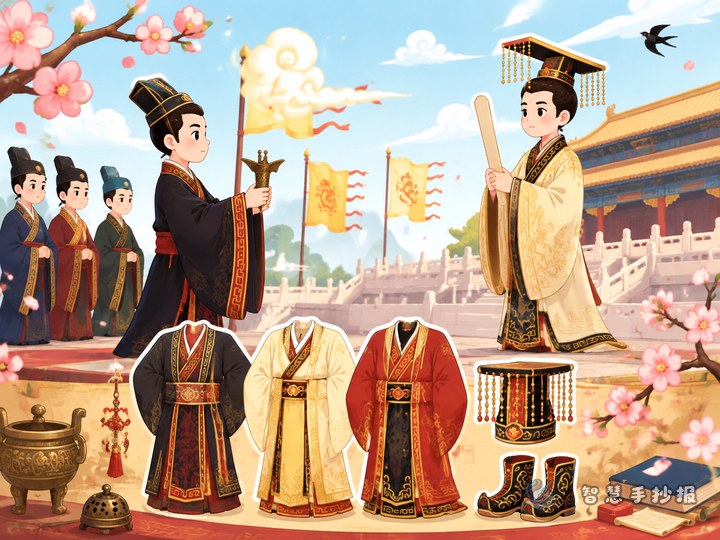
This section can explain that people in ancient times often wore different styles according to rank or role. You do not need to list complex rules from every dynasty. A simple explanation that clothing reflected identity is enough for a student-friendly poster.
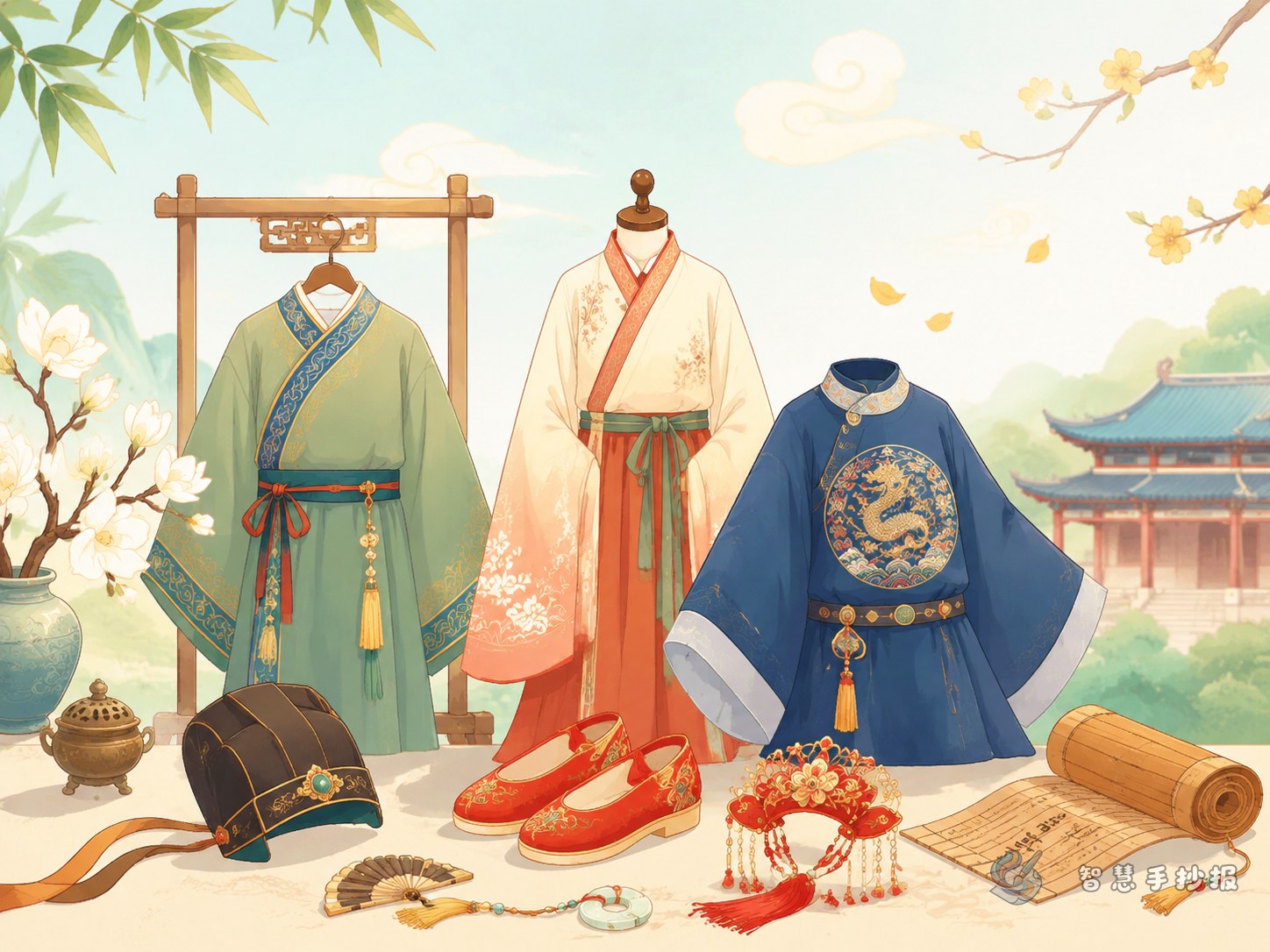
2. Different occasions, different clothes
Organize ideas by scenes such as daily life, festivals, weddings, ceremonies, or court events. This makes the topic easier to understand because ritual dress is really about wearing suitable clothing for the right time and place.
3. Neat appearance as a form of respect
You can also introduce the idea of keeping clothes and headwear tidy. In traditional culture, proper dress showed respect for others and self-discipline. This gives the handwritten newspaper a strong educational point.
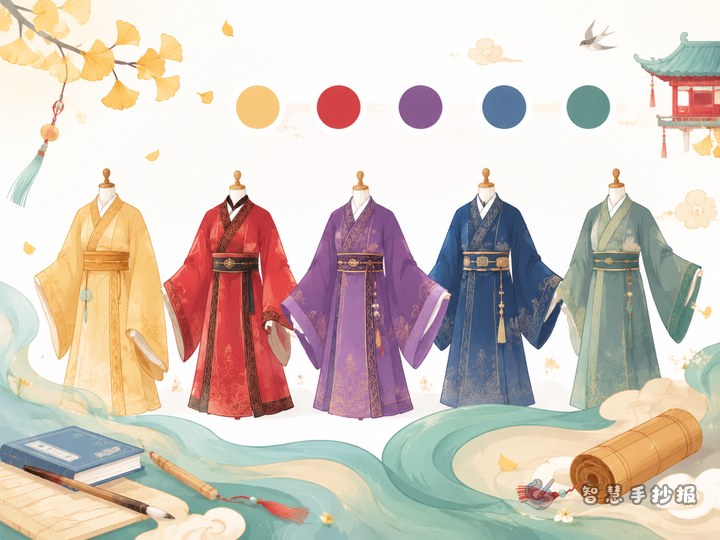
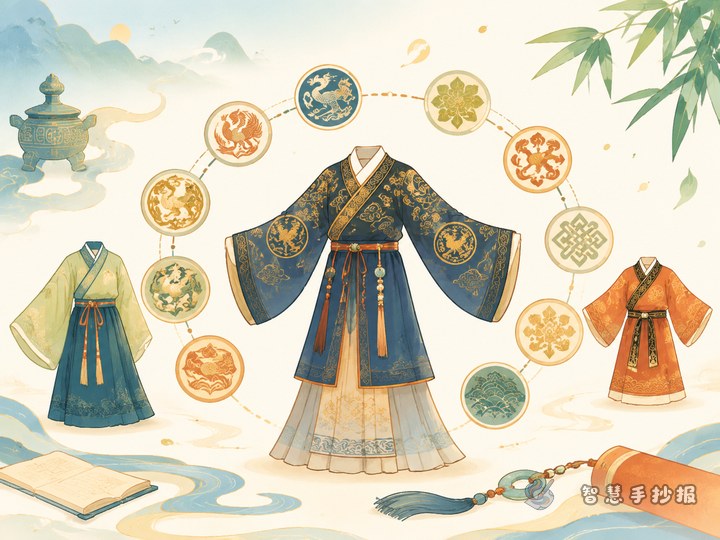
4. Colors and patterns with meaning
Students can add short notes about common symbolic designs such as dragons, phoenixes, clouds, flowers, or lucky motifs, along with colors that often suggested dignity, celebration, or solemnity. Keep this section simple and easy to read.
Ready-to-use writing material
- Ancient Chinese clothing was not only beautiful, but also connected with ritual and order.
- People often chose different clothing based on identity, occasion, and season.
- A neat robe and proper headwear were seen as signs of respect and good manners.
- Colors and decorative patterns often carried symbolic meaning in traditional culture.
- Through ancient clothing, we can see the Chinese idea of courtesy, harmony, and proper conduct.
You may also add a closing sentence such as: traditional clothing shows the beauty of history, while ritual rules give dress deeper cultural meaning.
How to design the page with a traditional feeling
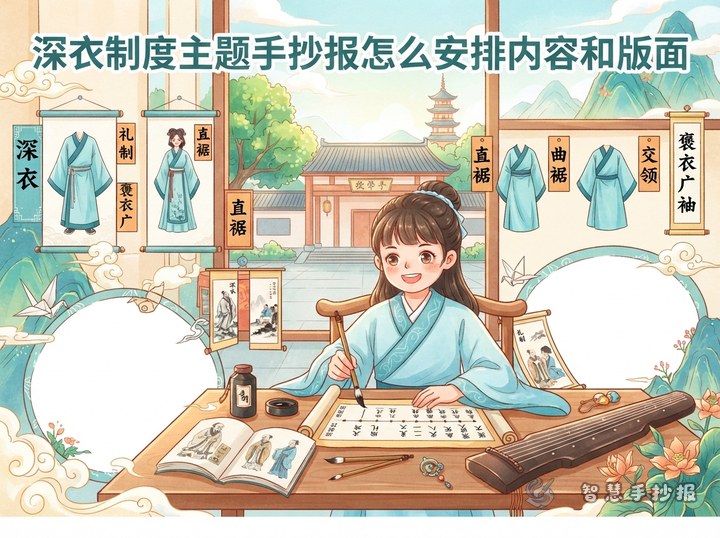
A clear layout works best. Try a large central title with smaller sections around it, or use a left-right column design. Decorative elements can include scroll borders, cloud patterns, sleeve lines, jade ornaments, or simple figures in ancient dress. Soft red, dark green, beige, and light gold can create a traditional Chinese style.
Do not overfill the page. Leave enough room for text so the content stays easy to read. A few simple drawings are enough to support the theme without making the newspaper look crowded.
Practical tips for students and parents
- Choose one clear focus question, such as why ancient people followed dress rituals.
- Use three or four small sections instead of too many scattered ideas.
- Keep each section short, with only a few useful sentences.
- Use one main color and two supporting colors for a neat visual effect.
- Finish with a personal reflection about the beauty of traditional etiquette.
If you want to keep improving the layout, title ideas, or wording, you can continue making your handwritten newspaper in the Zhihui Shouchaobao WeChat mini program.